Nepal and COVID-19
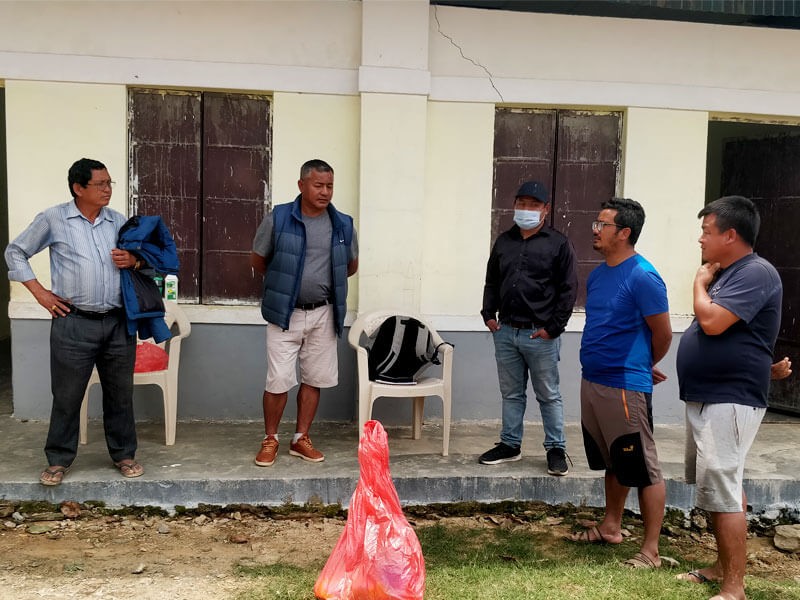
In the same token, Nepal, being an underdeveloped country, has less experience and preparation to deal with COVID 19 pandemic in the aspects of the medical sector or the entire economy. COVID 2019 emerged in Dec 2019, but Nepal got hit by its first wave in March 2020. Seeing the widespread coronavirus throughout the globe, the Nepal Government implemented a strict nationwide lockdown from 24 March to 15 June. Then, the Nepal Government eased the lockdown and lockdown rules to cope with degrading economic activities. Movement of a private vehicle is permitted according to the odd-even final digit on license plates matching the final digit of the Nepali Calendar date. However, the Government has requested to avoid gathering and only come out for essential activities. Organizations are open by adopting essential precautions and social distancing. Local businesses and activities are slowly returning to normal with updated social distancing measures, masks, gloves, and sanitization.
Due to COVID-19, the rising need for social distancing and restrictions on travel have led to a crisis in the travel and tourism industry. Currently, human doubts about traveling have left the travel and tourism industry facing the challenge of coping with coronavirus, along with scared human mindset towards traveling and meeting new people. Likewise, Nepal struggles harder for its economic development when the travel and tourism industry is the major contributor to GDP. The suspension of arrival visas and Domestic and International flight till 5 July 2020 (maybe extended) creates a direct restriction on traveling and the downfall of Nepal’s tourism industry. The Nepal Government also called off the “Visit Nepal Year 2020” national campaign, which aimed at welcoming 2 million tourists in 2020. Further, an estimated loss of around 1 lakh jobs is predicted due to COVID-19 in the Nepal tourism industry, as well as affecting 1 million lives that are directly and indirectly dependent on foreign travelers, mountaineering, trekking and touring in Nepal. Bookings for an expedition of Mount Everest and other higher peaks of the world have been canceled, along with bookings for a number of trekking, touring, and accommodation. Some of the players of the tourism industry are extending their support towards the manpower of the tourism industry as well as the travelers stranded in Nepal. The owners of tour and trek operators are supplying possible support in the form of finance or food to their employees (guides, porters). Correspondingly, some restaurants and hotels are offering free or discounted food and accommodation to the stranded travelers. Despite the lockdown, the Nepal Tourism Board, Ministry of Culture, Tourism, and Civil Aviation, in coordination with Embassies in Nepal, arranged fixed-schedule flights to different countries for the safe landing of tourists at their homeland. Nepal Tourism Industry made sure that none of the tourists faced any difficulties due to the lockdown implemented by the Nepal Government, as for Nepal, “ Atithi Devo Bhava”, Guests are Gods, and one should not leave any stone unturned to serve them.
Current Situation of Nepal and Kathmandu Valley
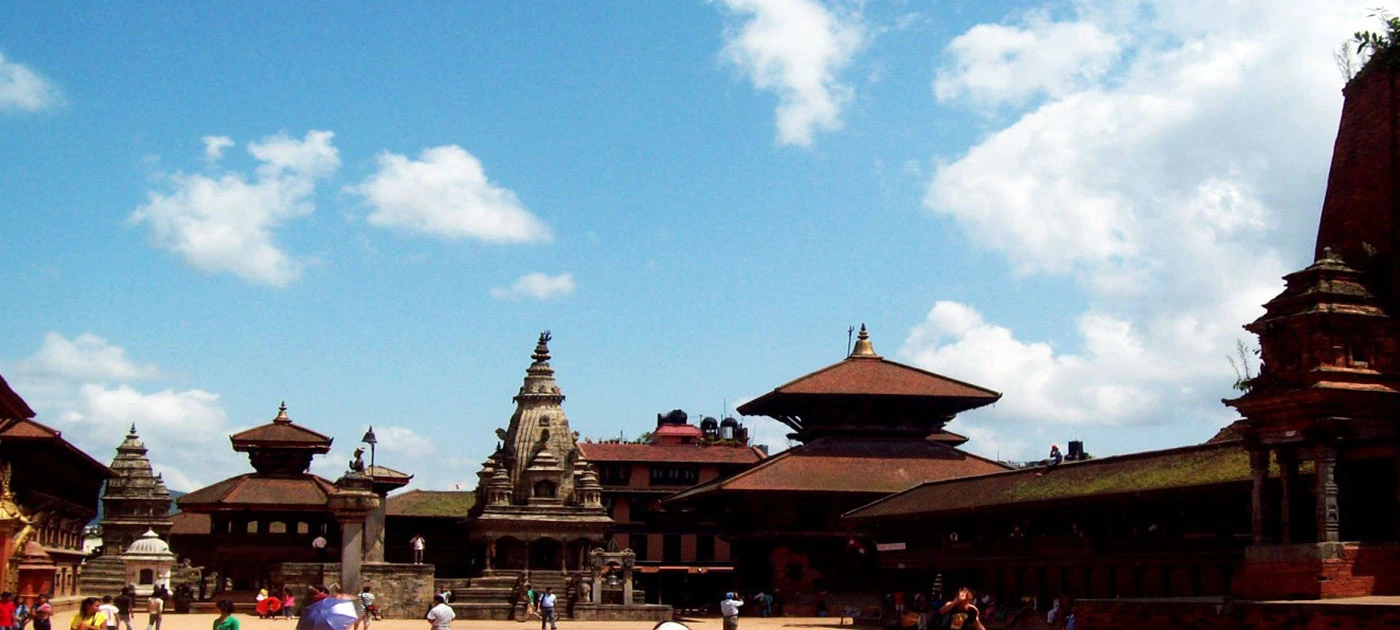
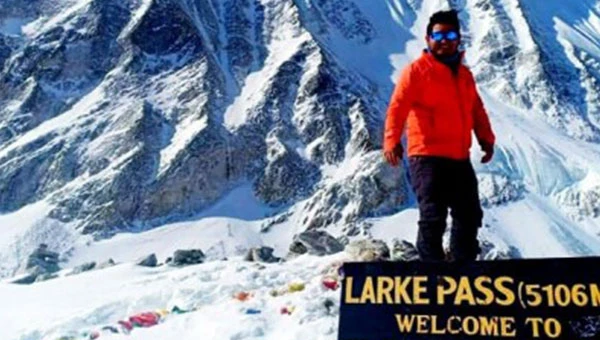
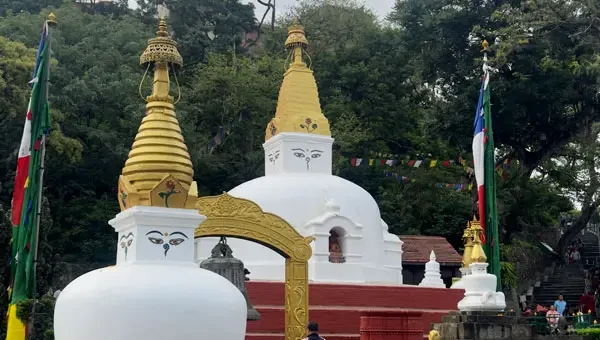
Addressing the current situation of the capital, Kathmandu Valley is sound. As spring begins in Nepal, nature is blooming at its fullest. The sides of roads are decorated by blooming flowers and leaves. It feels like Kathmandu time-traveled 20 years back, when population, crowds, and pollution were less and a fresh environment used to outweigh them. The flow of humans and their moving machines is less in the city, whereas chirping birds are flying more. The honking and beeping have dissolved in the environment, letting the fresh air make some noise. Catching up the opportunity of less movement, roads are being repaired and painted black. Even so, Kathmandu Valley longs for the normality it used to have: being crowded, traffic-jammed, beeped, honked, and dusty. Though most of us have prayed each day to have fresh air and no traffic jams in Kathmandu, now we wish for a usual day with a not-so-chilly breeze, a mask to protect from dust, not from the virus, and sweating up during the sunny day at a traffic jam and enjoying the spring blossom flowers garnished by dust and dirt at the side. Mainly, the locals and business operators around Thamel, Basantapur, Bhaktapur, Patan, Boudha, Swayambhu, and other tourist sites seek the foreign faces roaming and touring in the streets of Kathmandu, adoring the smiling Namaste! Nepali. Even though Kathmandu is full of beauty, there is a lack of foreign guests to appreciate, cherish, and enjoy the heart-pleasing view of every nook and corner of Kathmandu. Now, the busiest Durbar Square and World Heritage sites are the most freed one in the absence of human laughter, the shutter of cameras, curious eyes, praying hands, chit-chat of travelers, and resting lovers in the corners of sites. Not just the capital city, Kathmandu, is going through the longing of travelers, but other touristic cities like Pokhara and Chitwan are also passing through a phase of emptiness due to the presence of COVID 19 in the world. The tranquil trekking route, which used to echo with the footsteps of trekkers, the reaction of trekkers at the view, the service of guides, and the long breaths of porters, is filled with emptiness. Equally, the mountains are unclimbed. The beauty of Nepal would not meet its purpose unless and unless it pleases the travelers and spreads the smiling Namaste.
Expectations
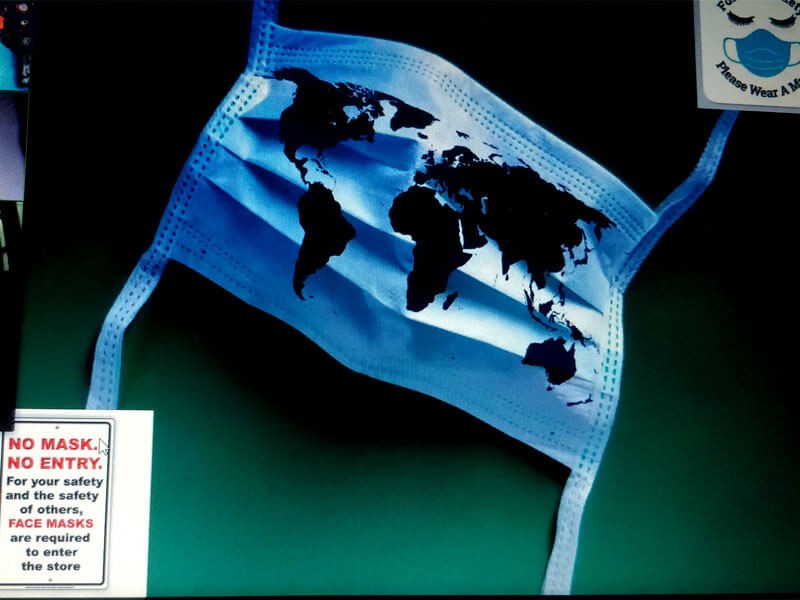
Hopefully, we may cope with COVID-19 so well that COVID-19 becomes history that never repeats, or at least we are encouraged so much that we fear COVID-19 less. Certainly, COVID-19 is bringing reformation in traveling style, patterns, and travel hygiene, which would not discourage travelers to travel rather strengthen the passion to explore communities, societies, countries, and the entire world.
Ultimately, the Nepal Tourism Industry, its players, and stakeholders need to incorporate the changes in traveling style due to COVID 19. The preferences, priorities, and precautions of travelers would be relative to the preventive measures of COVID 19. Correspondingly, the Nepal Government needs to adopt and formulate policies and strategies and implement them to upgrade the degrading economy, particularly when the tourism industry is the source of income for many Nepalese and the key sector for the GDP of Nepal. To revive the Nepal Tourism Industry, we all—private, Non-Government, and Government Sectors — have to work precisely for post-COVID 19 travel with the prime objective of safety and sanitation. At the earliest, Tribhuvan International Airport, Kathmandu, has been totally transformed by incorporating the need for social distancing. There has been no formal announcement of reformed policies and plans for Nepal Tourism, yet we believe the backstage work and research are continuously going on to revive the tourism industry.
4 Steps of Preparations
Initially, we, Nepal Adventure Team, are planning post-COVID-19 travel experiences in Nepal. The plans for post-COVID-19 travel services have been inspired by the document: 4 Pillars Relaunch plan formulated by the Ministry of Industry, Commerce and Tourism, Spain, which has been published on the website of UNWTO (UN World Tourism Organization). Nepal Adventure Team is working on the basis of these 4 Pillars to operate post-COVID travel and trek services in Nepal:
Health
There is a famous quote related to health: “Health is Wealth.” And the current context has proven it so well. The world took a pause for health. So, as we operate after encountering COVID-19, we make sure to reduce the adverse impact on health. As a proactive measure, we plan to check the symptoms and health condition of our entire off-field as well as on-field employees (customer service department, guides, porters, cook). Additionally, we choose to work with companies/hotels/restaurants as partners and colleagues who ensure they adopt the preventive and precautionary measures just as we do. The travel history, health condition, and symptoms of all the customers would be evaluated before beginning any journey. On the other hand, a reactive measure includes rescue from any place and safe landing at a hospital equipped with sufficient facilities to meet the health crisis of an individual. We work to minimize the danger and impact of acute public health events that endanger people’s health across communities, societies, and countries.
Support
Despite having no business at all throughout the Spring season and probably for the later seasons too, we are committed to supporting our Nepal Adventure Team members either financially or emotionally. This is the human crisis against the virus, where we need to be mentally as well as physically healthy. We expect healthiness to be spread around, not just for our team and country but for all the travelers and respective humans around the world. We believe in sharing possible support with every living being at this crucial period.
Database of Travelers
One of the necessary precautions to deal with COVID-19 is to maintain an updated database of all the travelers. This database must include the detailed basic information of the traveler (name, nationality, contact address/number, emergency contact number, insurance, and the like) along with travel history, health condition, and health history. The database would be useful in the event of possible accidents or illnesses. And supply ease to trace contacts if necessary.
Safe Destination
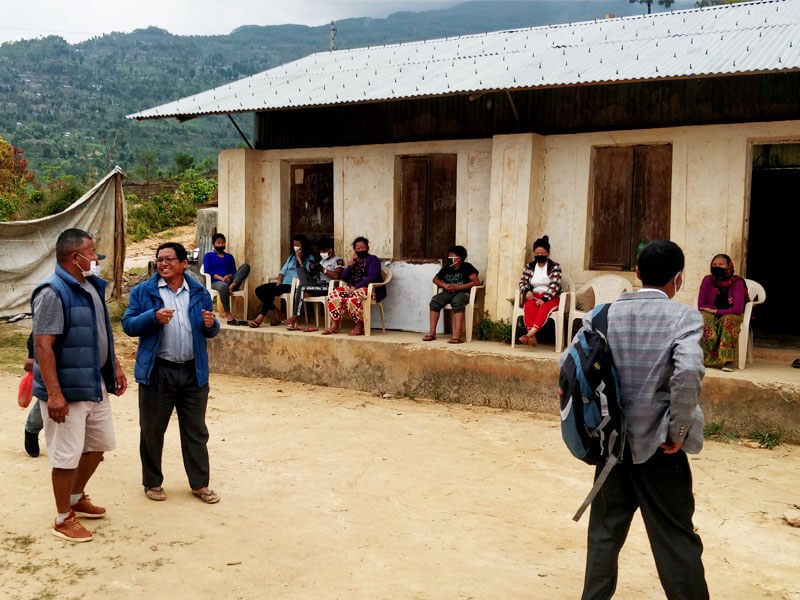
As mentioned earlier, Safety is the primary concern. After the COVID-19 pandemic, tourism operators seek destinations that are safe and healthy or tend to transform destinations into safe ones. Destinations must incorporate the norms of social distancing, be less crowded, and be equipped with at least simple hygienic materials (sanitizer, masks, handwash). Consequently, these things would be the basic requirements for travelers. Similarly, Nepal has trek routes that are far from the city chaos and crowds. On the other hand, Nepal actively needs to spread awareness of COVID 19 precautionary measures in the rural areas and the steps to deal with COVID 19 such that there is less fear in rural areas. In addition, the health sector of these trekking routes should be upgraded to flourish tourism during the post-COVID period.
4 Elements of Cohesiveness
Furthermore, here occurs the transition period wherefrom all the community to the country to the global level, where policies and practices differ between the before- and after COVID 19 situation. The transition period demands:
- Cooperation and Coordination
- Awareness (Awareness to mitigate any health emergency)
- Energy ( Strong willpower and energy are necessary to face and overcome the adverse conditions due to COVID-19)
- Fund ( Fund is the basis for the improvement and development of infrastructure and resources to deal with COVID-19)
- The above-mentioned points not only uplift the tourism sector but also lead to a healthy traveling world. It is time to showcase the synergy of all the stakeholders.
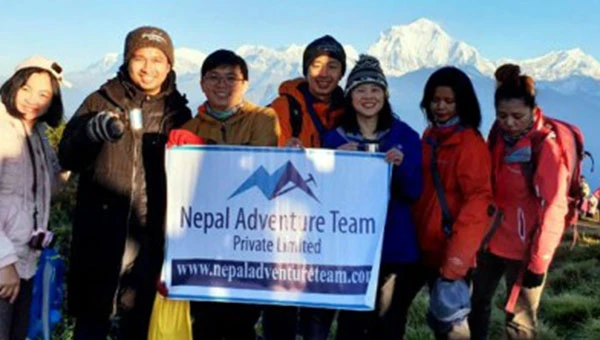
Besides, Nepal Adventure Team believes in the change of traveling style and incorporating the resources to execute the new style of travel. Nepal Adventure Team is here to support the accomplishment of travelers, either solo or with family, for private tours and short tours. With the hope of mitigating COVID-19’s adverse effects, we all look forward to Nepal’s appreciators and travelers visiting Nepal being safe and healthy. Meanwhile, please stay safe, healthy, and calm.