Tourist Visa Process For Nepal
Catering to individuals traveling to immerse themselves in Nepal’s rich culture, landscapes, and adventure opportunities. Tourist visas are typically issued for 15 to 90 days, allowing visitors to explore popular destinations like Kathmandu, Pokhara, and the Himalayan trekking routes. Whether you’re on a plan for leisurely sightseeing, a thrilling trek, or a spiritual journey, a tourist visa provides the flexibility to experience Nepal’s diverse attractions.
Most nationalities, except Indian citizens, need a visa to enter Nepal, and getting a Nepal Visa is the easiest one. You can get it by visiting a Nepal Embassy/Consulate near your country or arriving at Tribhuvan International Airport in Kathmandu. You must bring two passport-size photos, a valid passport, and visa fees in cash (USD is preferred).
For more information, please contact the Department of Immigration.
Your Guide and Porter/Assistant (Sherpa) During the Everest Base Camp Trek
Porter:
While departing on Everest Base Camp treks, each two-person party usually gets one porter to share. These porters are an essential part of easing the burden on trekkers, enabling them to concentrate on the journey and move/climb continuously without the weight of heavy equipment. It is not by coincidence that they form the core element of a trekking crew, being assigned the role of taking heavy loads from one lodge to another. They provide support to ensure you have a more pleasant trekking experience and contribute to the region's economy by giving local neighborhoods work.
Assistant Sherpa:
In most cases, the EBC trekkers have a Sherpa assistant along with the porters. Sherpa is a supportive character throughout the trek who handles the logistics, administers the camp, and gives directions along the trail. They are the most important people who watch over the safety of trekkers by attending to their needs, serving food, and offering help if needed. The company can provide additional security and aid, helping trekkers overcome the trail's obstacles safely and with assurance.
Guide / Trek Leader:
Guiding services, together with experienced leaders, are a fantastic option if you need less guidance and a more professional style added to your journey. Such experienced experts provide advice and interpretation as one goes through the expedition, pointing out and explaining all about the destination's cultures, history, and biodiversity. They are skilled in traversing safely, assessing dangers, and letting trekkers enjoy themselves and be satisfied. They can contribute significantly to the trekking dimensions by guaranteeing the safety of the participants and, at the same time, providing them with a proper understanding of what this place has to offer to the world.
Note: The company accommodates our Porters/assistants (Sherpas) and Guide/ Trek leaders and has full insurance.
Travel Insurance for EBC Trek
Travelers insurance covering the Everest Base Camp trek is a security blanket against unforeseen events, giving you peace of mind and financial protection. Beyond all the hardship we'll encounter on the trek, travel insurance can also cover the medical treatment required for an emergency, whether it involves getting us transferred by helicopter, which can be very expensive without any insurance. Moreover, travel insurance can protect from trip cancellations, delays, loss of luggage, and other possible interruptions, and it can allow a trekker to enjoy their journey fully by not being worried about any unexpected concerns. High-altitude trekking and adventure activities can expressly be excluded from many travel insurance policies since only a specialized policy should cover their specific challenges along this trek.
You'll need to bring your travel documents since our insurance companies don't insure foreign nationals.
Transportation to the Everest Base Camp
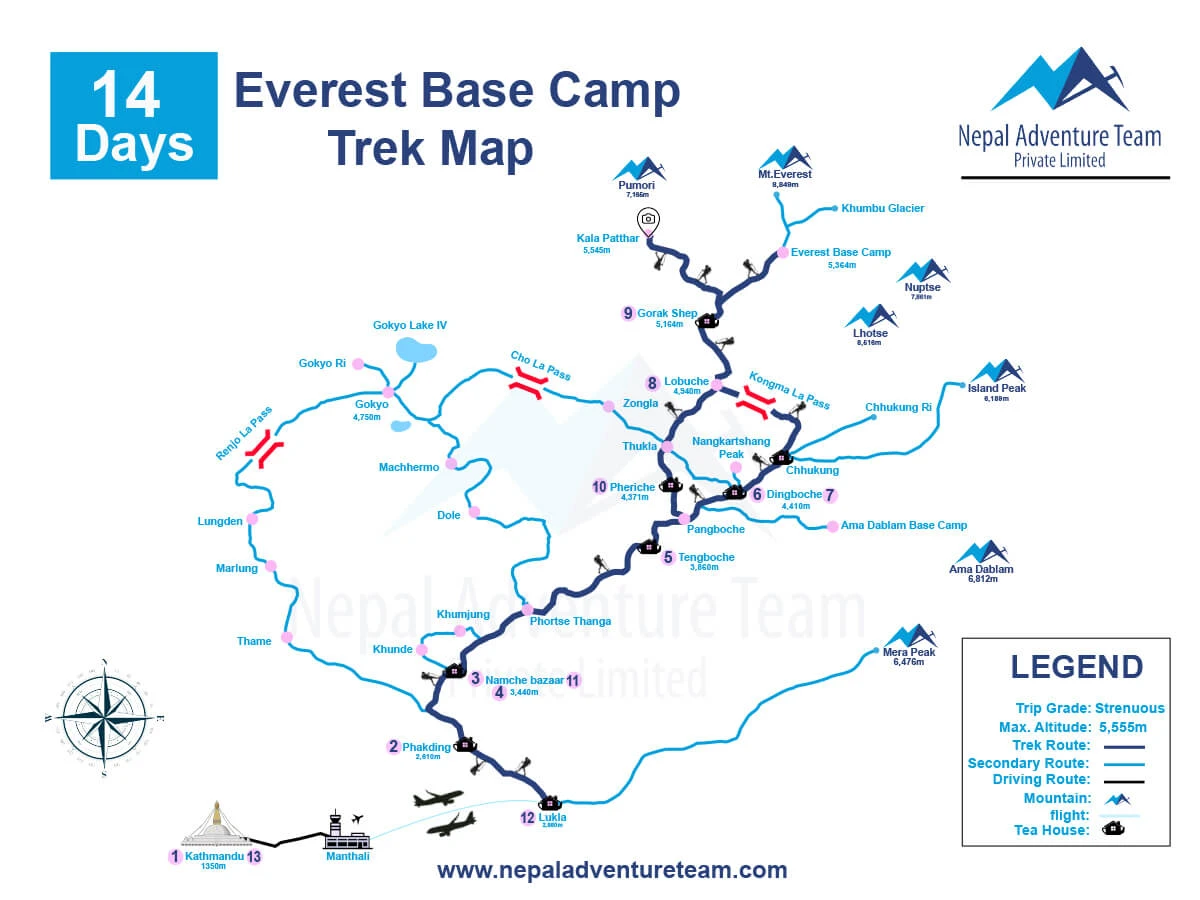
Travelers looking towards Everest Base Camp (EBC) can enjoy various transport services depending on the season. From October to the middle of December, a road trip starts in Kathmandu, where travelers share vehicles provided by the organization to Manthali, Ramechhap; after a long journey to Ramechhap, the flight to Lukla, where you land at the Lukla airport, comforts and settles all those anticipating the challenge ahead. The return journey will be the same as the journey to arrival, as this is how smooth the experience will be.
A nonstop flight to Lukla serves the same purpose and saves you from road travel from mid-December to September. In general, the route back is similar to the first trip, allowing travelers on Everest Base Camp expeditions to have an efficient source of transportation throughout the years.
Foods and Accommodations During the Trek to Everest Base Camp
After they arrive in Kathmandu, travelers are accommodated in a three-star hotel. They will enjoy a welcome dinner at an authentic Nepali restaurant. During the EBC trail, trekkers' periodic stays and food choices will be diverse because the hikers must get comfort and sustenance as they advance through the trekking trail. Trekking starts with two nights already spent in Kathmandu, so that trekkers don't have to do any more preparations and can relax before the actual trek. This is their chance; all three meals complement each other to give them plenty of energy before they go out and explore for hours.
During the trek, travelers will be provided with three meals a day, which are given on the following menu.
Breakfast: Toast, bread, butter, eggs, cornflakes, porridge, tea, pancakes, etc
Lunch - Dal Bhat (rice, vegetable curry, meat curry, lentils, tomato chutney, salad, papad), Thukpa, fried rice, fried potato, Mo: vegetable/chicken soup, fried noodles.
Dinner - Dal Bhat (rice, vegetable curry, meat curry, lentils, tomato chutney, salad, papad), Thukpa, fried rice, fried potato, Mo: vegetable/chicken soup, fried noodles.
There are also a variety of other food options available. However, you would have to pay for those items personally.
Along the way, trekkers will stay for four nights in Lukla and Namche Bazaar, which can provide them with pleasant rooms with attached bathrooms and other necessary amenities. This shelter gives trekkers relief from the harsh environment.
Tea houses, the traditional lodging in the mountain area, will be the essential stay for each trekking day, allowing the trekkers to learn more about the local culture. Here, they will have soda, coffee, hot chocolate, and three daily meals: breakfast, lunch, and dinner. Unlike many other types of tourism, trekkers should not rely solely on the services of accommodations along the treks, but have to prepare themselves for additional personal expenses like self-charging and getting the hot water flowing during the showers. These small expenses are like the beautiful mountain scenery, tea houses, and warm hosts that give visitors a cozy atmosphere at any time.
After the completion of the journey and the arrival in Kathmandu, travelers will enjoy a farewell dinner of their choice, making room for them to reflect on their experiences on the expedition and commemorate their achievements with other teammates.
Things to Keep in Mind Before Traveling to the Everest Region
Drinking water
During treks (particularly at high altitudes), drinking water to prevent altitude sickness and dehydration is imperative. Trekkers try to consume around 3- 4 liters of water daily, including tea, soup, and drinking water. Tap and spring water can be found during the trail, but these must be filtered before consumption. Plastic-bottled water may be helpful, but it becomes costly and threatens the natural environment. Using a reusable water bottle or pouch is best; this should be good for hot and cold water. One can expect to pay between 1$ and 5$ for a bottle of water, especially at higher altitudes like Gorakshep.
Various methods of purification are available to make water safe for drinking. For instance, check the following details:
Boiling Water:
Among the methods, boiling water is the safest to rely upon during high-altitude climbs. It is advised to use the rule: boil and salt at high altitudes for 3 minutes and add a pinch of salt to compensate for the electrolyte loss. Teahouses typically offer cold water at no extra charge. This water is relatively cheaper than boiled water, at around $1 to $2 for one liter or $3 to $10 for larger pots that may be used for larger groups of people. This minor fee guarantees access to purified and safe drinking water, an essential survival requirement during the rugged hike.
Purification Tablets or Electrolyte Powder:
Trekkers usually use purification tablets or electrolyte powder to purify water for hiking trips. Chlorine or iodine tablets are the most widely used, having enough active material in just one tablet to sterilize one liter of water. However, the water dissolves the tablets within 30 minutes and becomes safe for drinking; those who take the tablets may not like the water, usually processed this way, since it has a particular taste.
On the other hand, powders made with electrolytes represent a more thorough purification alternative. On the other hand, electrolyte powder not only kills the microbes but also replenishes vital minerals like salt, potassium, and magnesium that are critical for maintaining water balance, which, in turn, is essential for keeping a trekker healthy and energized during a long and arduous trek. The twofold capability of electrolyte powder is why it is the first choice for most mountaineers. It gets rid of contaminants and adds minerals to the drinking water.
UV Light water purifier/ SteriPEN:
The SteriPEN, an ultraviolet light water purifier, is undoubtedly what you need, whether you are a practical traveler or an environmentally conscious one. This is because of its straightforward, efficient, and eco-friendly way of water purification. Exposing water to UV light for 10 seconds through the SteriPEN process will eliminate harmful elements and preserve its flavor. Its simplicity and fast response make it the first method to guarantee a safe water supply during trekking. SteriPEN may be considered an absolute must-have device as it eliminates concerns regarding harmful germs and gives trekkers the freedom to stay hydrated without worrying about the purity of water.
Internet and Electricity Facilities in the Everest Region
Electricity facility
Contrary to the region's rugged landscape and overbearing weather patterns, the Everest vicinity furnishes trekkers with electricity and the internet. In the lower Everest area, including Lukla, Phakding, Namche, and Pangboche, electricity is provided by hydroelectric power, where there is free electricity, and the internet service is the best. On the contrary, as trekkers reach elevations of more than two thousand five hundred meters in Dingboche, Gorak Shep, and Everest Base Camp, the fuel type further changes to solar power.
In addition, in common areas like these higher regions, there are no charging sockets in the single rooms. Conversely, a communal charging spot, usually in a dining area where people should be, is best for charging electronics. Nevertheless, travelers should be prepared to pay the supplementary fee for using these facilities, and the charge differs due to the device type and the specific voltage requirements. For example, an hour of charging a mobile can cost around $1.5 to $5; thus, devices such as phones are responsive to the challenges of the remote region of Everest and its harsh conditions.
Internet service and network
During the Everest trek, you must connect with family back home, friends, and work colleagues. They must be sharing important moments and the latest information from their journey. Luckily, with its steady connections, Everest Link ensures a fast internet connection in the Everest region. Everest Link Wi-Fi Cards can be easily purchased at lodges on your way to stay connected via Cholang Base Camp, Phortse Tenga, Thame, Pheriche, etc. This provides an avenue for trekkers to stay connected and share their great experiences while trekking with people they love through social media.
Cost of Everest Link WI-FI Card:
- 10 GB = NRP 2000/ 17$
- 20 GB = NRP 3000/ 25$
Valid for 30 days
In the Everest region, the NCell and NTC cellular service providers provide mountain climbers with networking and internet connections. Tourists can get NCell and NTC SIM cards from Kathmandu ($1) and Lukla, and from outlets ($3- $4). Through the data packages, an online connection to NTC and NCell networks can be made up to Tengboche, while NTC network compatibility extends up to Gorak Shep.
Trekkers use NTC's cell phone service more frequently than NCell because of its stable service and powerful connection. Hence, this VOIP, particularly NTC, is the best choice for users to stay in touch with their friends outside and browse helpful online resources while trekking through the magnificent Everest region.
|
Could you buy the NCell data package?
Dial *17123# and select.
|
Cost of data package in NCell:
- 15 GB =10$
- 25 GB = 12$ (Valid up to 30 days)
|
Check Balance
Dial*101# |
|
Buy the NTC data package
Dial*1415# |
Cost of data package in NTC:
(Valid for up to 28 days)
- 30 GB = 15$ (Valid for up to 90 days)
|
Check Balance
Dial *1415#
|
Documents needed to buy a SIM Card.
For foreigners = 1 passport-size photo, a Passport photocopy, or a valid identity card.
For Nepalis = 1 Passport-size Photo, Photocopy of Citizenship.
Some valuable tips to reduce the use of electricity.
- Extra batteries for the camera.
- Power bank with 5000-10000mAh.
- The solar charger and solar lamp.
- Less usage of a device with low brightness, GPS, and WI-FI off is possible.
Health and Fitness Required for EBC Trek
To step into the Everest Base Camp, one has to be ready for the complex trials posed by the challenging terrain and high-altitude environment. Do an endurance and stamina workout with regular exercises and strength training before you start trekking, so your body will tolerate long hours of walking daily. It remains indispensable to undergo gradual acclimatization by raising one's altitude level to override the body's susceptibility to low oxygen levels that otherwise trigger altitude illnesses. As one adjusts to high-altitude hiking and uneven paths, prior hiking skills and knowledge of this environment become handy. On top of that, it is imperative to maintain a proper diet and stay hydrated on the way, as both contribute heavily to your energy levels throughout the trip; hence, they are essential. To sum up, balancing physical preparation and mental endurance, and closely watching the body's state are the three major items that help climbers overcome the EBC trek.
High Altitude Sickness
Altitude sickness becomes more acute above 2500m (8000ft) for even strong individuals at mounting elevation. The fast increase in the surroundings' height causes oxygen to become scarce, making the body adjust. At an altitude of 5600m, Everest Base Camp (EBC), unlike other places, lacks oxygen levels, stronger winds, and thinner air, making breathing difficult.
At this altitude of around 5,550m (Kala Patthar), trekkers may experience some forms of altitude illness, including AMS(Acute Mountain Sickness), HAPE ( High Altitude Pulmonary Edema), and HACE(High-Altitude Cerebral Edema). Some symptoms can be mild, like headaches and nausea, but they can also develop into full-blown respiratory and neurological problems. Thus, trekkers need to acclimate correctly, ascend slowly, and understand the signs of AMS, which will help them to have a safe and enjoyable trek in the high mountain region of Everest.
Early Symptoms of Altitude Sickness
- Increased breathing.
- Headache and Restless sleep.
- Increased urination.
- Dehydration.
- Periodic breathing at night as a result of altitude.
Later symptoms
- Shortness of breath.
- Respiratory failure.
- Extreme fatigue.
- Coma.
- Cerebral edema.
You can take other precautions to reduce the risk of altitude sickness while trekking to the Everest Base Camp.
- Rise gradually and allow for acclimatization periods, e.g., resting thoroughly at a higher altitude for one day before descending to lower elevation levels.
- A note of caution is essential, too, as the level of oxygen decreases with elevation and the scarcity of vegetation is scarce during the EBC trek. Avoid alcohol, smoking, or other tobacco products since they worsen dehydration.
- Stay hydrated at all times by drinking warm water along the way to counter high-altitude impacts.
- Psychologically prepare yourself for the journey and remain in high spirits to enrich the expedition and decrease stress.
- It is recommended not to use sleeping pills for insomnia management since they can reduce blood oxygen levels and worsen mountain sickness.
- If altitude sickness symptoms worsen, do not climb higher and go down to a lower altitude.
Required Equipment for Everest Base Camp Trek
Travel documents
- Airline tickets with the itinerary.
- Travel insurance policy documents.
- Valid passport.
- Copies of the passport.
- Passport-sized photos.
- Nepalese cash.
- Travel permits.
Personal First Aid Kit
- Antibiotics
- Painkillers, Paracetamol, ibuprofen, aspirin, Nurofen
- Sanitary pads
- Bandage.
- Anti-inflammatory spray.
- Anti-nausea tablets.
- Anti-diarrhea pills or powder.
- Altitude sickness tablets.
- Water-purifying tablets or electrolyte powder.
- Mosquito and Insect Repellent.
- Salt or anti-leech oil (If traveling in the rainy season, July- Aug)
- Earplugs
Toiletries
- Rolls of Toilet paper, wet wipes, and tissue.
- Medium-sized quick-drying towel.
- Toothbrush and toothpaste.
- Hand sanitizer.
- Sunscreen, lip balm, body lotions.
- Deodorants.
- Portable mirror.
- Shampoo and soap.
Clothing
- Waterproof trekking shoes/hiking boots
- Flip-flop slippers/running shoes
- 2 sets of thermals (leggings and tops)
- 4-5 pairs of hiking long-sleeve shirts/tops
- Hiking shorts and pants
- Fleece jumpers or tracksuits
- Windproof down jacket
- Lightweight waterproof rain jacket and pants
- Neck gaiter, leg warmer, pocket hand warmers
- 4-5 pairs of quick-dry socks, underwear, sports bra
- Inner and outer gloves
- Knitted hat, sun cap, beanie, or bandana
- Glacier sunglasses, eye shade
Trekking equipment
- Waterproof trekking bag of 40-50 liters and a duffel bag rucksack (if your backpack is not enough for all your items and needs a porter).
- Reusable water bottle (hot and cold) of at least 1-2 litres.
- A sleeping bag and a sleeping bag liner.
- Trekking stick/ poles.
- Crampons (If you are trekking in the winter season, Jan-Feb).
- LED torch or solar lamp
- Stuff sacks, plastic bags.
- Plug adapter, charging appliances, power bank, batteries.
- Pocket knife.
- Travel Wallet.
In Kathmandu, trekkers can buy or rent trekking clothes and equipment to suit their choice and make their journey easier. If purchasing, it is better to write down one extra day for shopping in advance; for hiring, which requires giving advanced notice to allow for preparation before arrival. These efforts enable a reduction in luggage weight and also save time and money.
Thamel, known for its diversity of shops and markets, has brand-name trekking clothes and equipment at affordable prices. So, it is convenient for trekkers to use it as they prepare to start their adventure.
Everest Base Camp Trek Permit/Pass Pricing
| |
Trekking Permits
|
Foreign Nationals
|
SAARC nationals
|
Nepali citizens
|
| 1 |
Khumbu Pasang Lhamu Rural Municipality Entrance Permit |
NPR 3000 per person |
NPR 2000 per person |
Non-applicable |
| 2 |
Sagarmatha National Park |
NPR 3000 per person |
NPR 1500 per person |
NPR 100 |
| 3 |
TIMS ( Trekkers' Information Management System) |
NPR 2000 per person |
NPR 1000 per person |
Non-applicable |
What is TIMS?
Undertaken jointly by the Nepal Tourism Board (NTB) and the Trekking Agencies' Association of Nepal (TAAN), the Trekkers' Information Management System (TIMS) is considered an essential measure for ensuring the safety and security of trekkers as well as controlling illegal operations. Under TIMS, companies engaging in trekking must furnish trekkers with personal information, including passport numbers, nationality, contact details, and itineraries. This data is added to a detailed visitor database, enabling efficient response and effective coordination by all concerned entities in emergencies or when trekkers may be trapped within specific regions.
In the same manner, the TIMS process also covers both Free Individual Trekkers (FITs) and trekkers who use government-approved trekking agencies. In the past, the issue of inefficiency during rescue operations has been attributed to a less efficient record system. With this system, trackers can trace missing trekkers in the shortest time possible. Since its introduction on January 1, 2008, TAAN and NTB have already been operating TIMS for trekkers and upholding higher safety standards for the trekking process in Nepal.
A Couple of Rules
We highly recommend not possessing or using any illegal drugs, as it is intolerable. The law respects the local people and their culture. In such a case, the group will be expelled.
Responsible Tourism
As a tourism stakeholder, we, the Nepal Adventure Team, believe that we are equally responsible for the local people and the surrounding environment. Our clients also play an essential role by
- Respecting local laws, customs, and beliefs.
- Always ask permission before doing something locally or consult with the leader.
- Keep the area as you found it wherever you go, and properly dispose of rubbish.
- Support local skills to encourage the positive sides of tourism.
Some Feedback and Reviews
We strongly believe that feedback, whether good or bad, helps you thrive. So, after your travel, we would like your genuine feedback. To motivate you to complete the feedback online, we are providing an 8% discount on your next trip with us. Isn't it outstanding?
Beyond the summit, the 14-day EBC Trek explores the wonders with full-board meals at an excellent hotel and tea/house lodges. A local expert Sherpa guide is available 24/7 and assists the group. You can find the best deal with a tour operator at +977 9851234322; free cancellation is available.
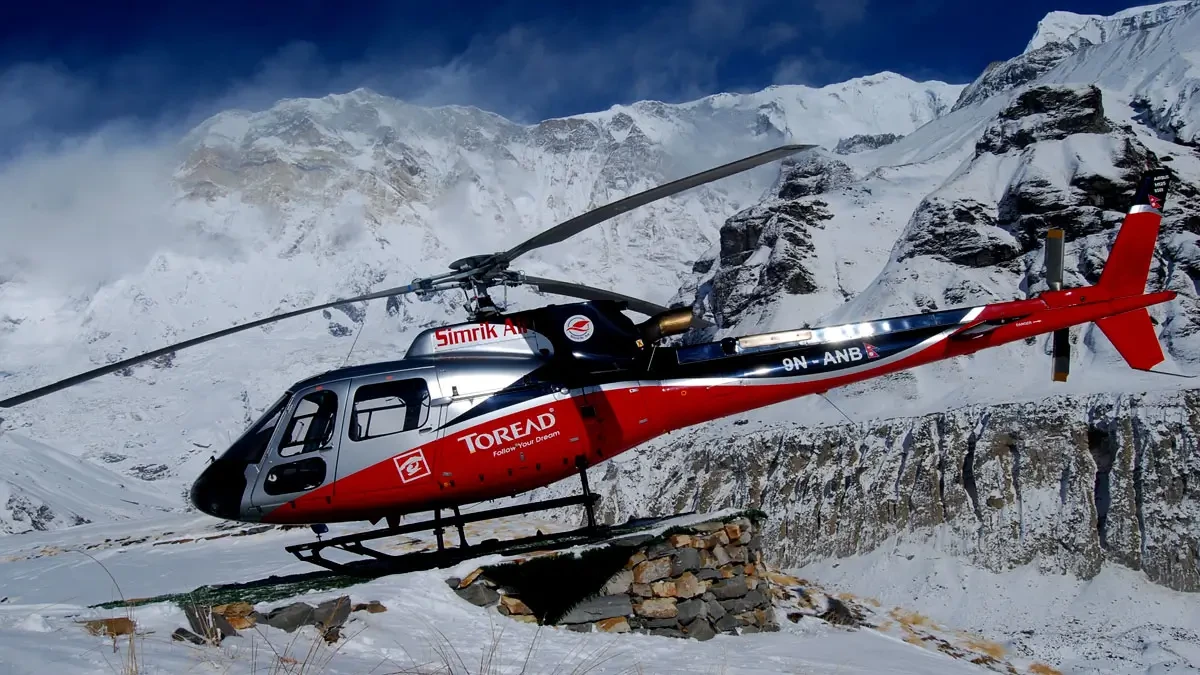
Create Your Itinerary (Customize Trip) Secure Online Payment. Are you looking for an Everest Base Camp trek with a helicopter return? EBC Helicopter Tour.