What is the best time to embark on the Kanchenjunga North Base Camp Trek?
Autumn Season: How is it an ideal period of the year?
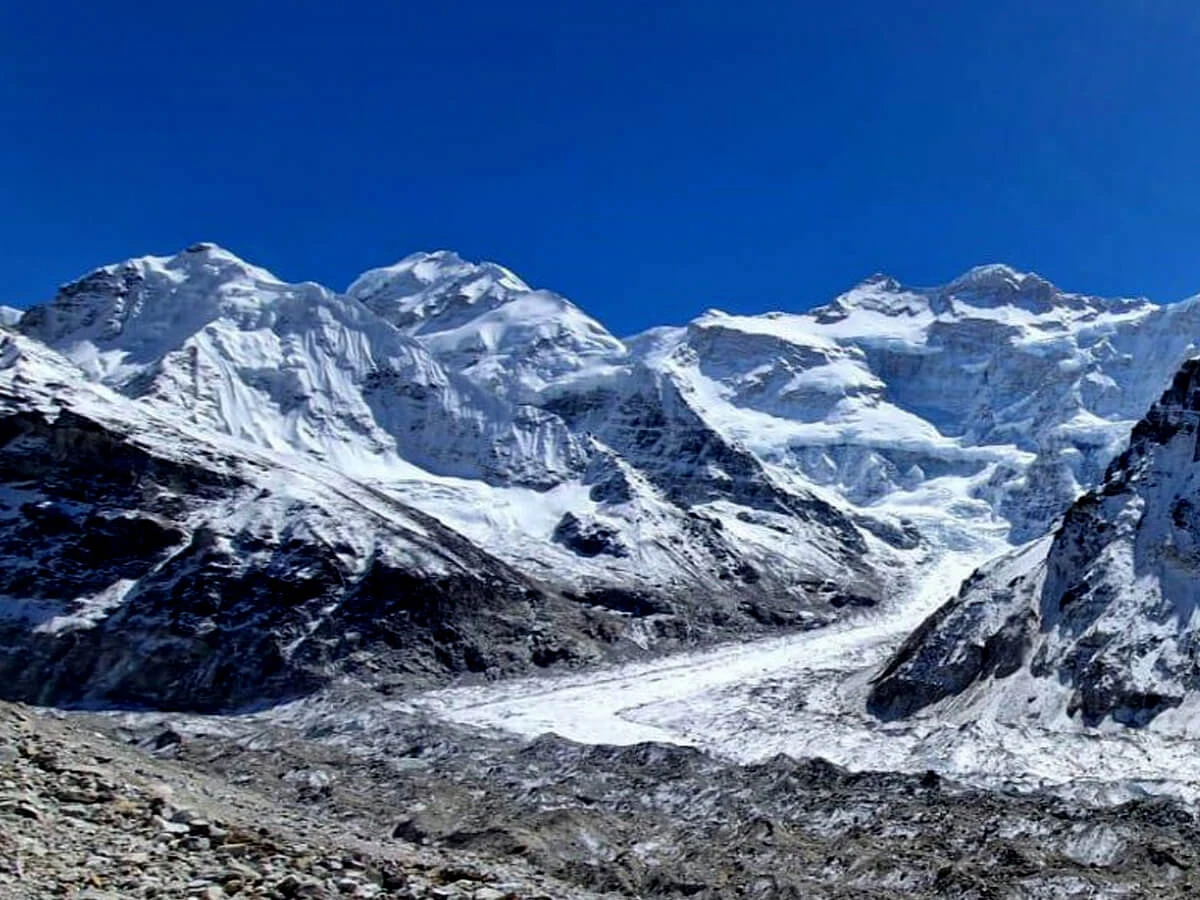
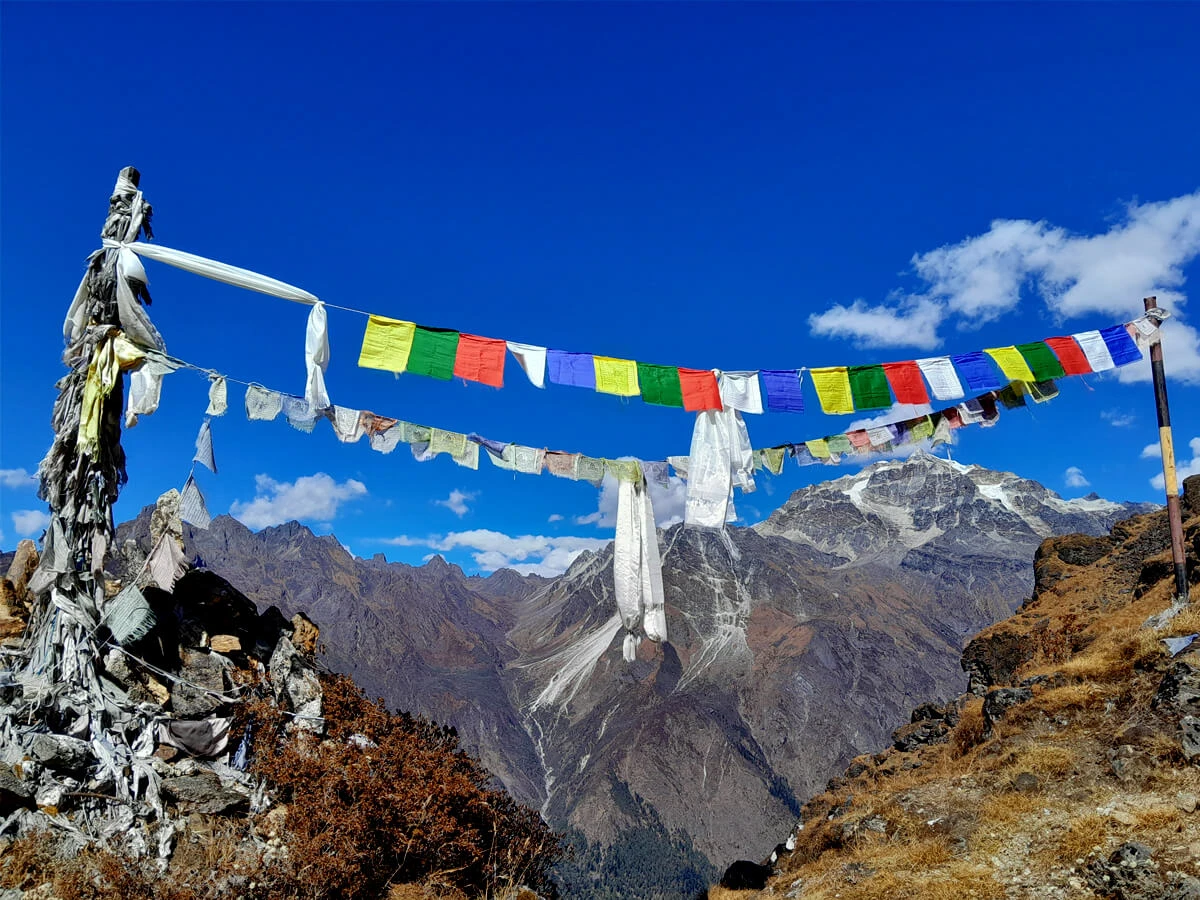
One of the best times of the year to reach the foothills of Mt. Kanchenjunga (8586 m), the third-highest peak on earth, is autumn, which features stable weather with moderate temperatures and clear blue skies. Autumn temperatures conveniently permit walking on dry and safe paths, compared to the treacherous and slippery conditions during the monsoon. If you love to enjoy spectacularly close vistas of majestic mountains, it is a golden period to embark on the Kanchenjunga North Base Camp Trek -17 days since the peak ranges are at their most picturesque.
The key feature in autumn is the wonderful glory of Kanchenjunga’s five peaks, making it a once-in-a-lifetime experience. It is also the time to enjoy festive endurance, enhancing the cultural perspective of the trek as national festivals of Nepal, like Tihar, Dashain, and Chhat, fall during this season. You can take the best photographs of the magnificent backdrops of the region. Moreover, create incredible memories while trekking through the forests of the region, notably the rhododendrons and oak trees, which put on a magnificent show of autumn colors, adding to the area’s allure.
Spring Season: Why is it perfect for the Kanchenjunga North Base Camp Trek?
The Kanchenjunga North Base Camp Trek is best started in the spring. During this time of year, the weather is typically consistent, and the scenery is breathtaking. Therefore, you can trek in the Kanchenjunga region comfortably with these good features at the same time. As winter departs, the landmarks of the area reshape into a vibrant paradise as the forests paint the mountains and beautiful rhododendrons, magnolias, and other wildflowers carpet the paths, creating jaw-dropping scenery. The pleasant weather offers exhilarating hiking on clear days with magnificent panoramas of Kanchenjunga and its surrounding Himalayan giants.
In the fabulous season of spring, wildlife also becomes more active. If your fortune favors you, you might have glimpses of rare species such as red pandas, Himalayan black bears, and other birds such as the Himalayan monal. Other marvels include rushing rivers and waterfalls formed due to melting snow. It is also a perfect time to immerse oneself in culture and festivals, making the entire trek better. These good weather, distinct mind-blowing pristine areas, and stunning views of the peaks make spring simply ideal for the trek to the Kanchenjunga North Base Camp.
Off-season: How does the off-season make the Kanchenjunga North Base Camp Trekking difficult?
The Kanchenjunga North Base Camp Trekking in Nepal becomes immensely complicated during the off-seasons (monsoon and winter) due to bad weather and practical considerations in comparison to autumn and spring. During the monsoon season (June-August), huge heaps of rain create hazardous tracks, making them slippery and muddy, hence increasing the risk of slips and falls. Besides, landslides are frequent and can block the paths, causing delayed progress and making the trek difficult as well as dangerous. Complete cloud cover tends to obscure the marvelous mountain views, and altogether, the increased humidity will leave trekkers tired and irritated.
The winter months (December to February) bring freezing temperatures high up, where the trails would already be buried under several feet of snow and ice. Such conditions render treks exceedingly dangerous. There is also the problem of frozen water sources and the risk of hypothermia, especially for unprepared trekkers. Not to mention, inclement weather, such as high winds and snowstorms, may cut trekkers off; fewer teahouses and limited services will make the search for shelter and food more difficult. Thus, extreme conditions and unsteady weather patterns render the off-season a rather difficult time to trek and one fraught with great danger. However, risk-takers are ready to trek during these off-seasons with expert guides and proper trekking gear to test their ability.
What permits do you need for the Kanchenjunga North Base Camp Trek?
The Kanchenjunga North Base Camp Trek requires various permits to make the trek legal and secure. Here are the major permits for the trek:
Kanchenjunga Conservation Area Permit (KCAP):
Every trekker must take this permit since it is mandatory for trekking through the sections of the Kanchenjunga Conservation Area, which assists in preserving the fragile ecosystem of the region. This permit also supports local community development and conservation efforts.
Trekking Information Management System (TIMS) Card:
TIMS is a necessary permit before embarking on a trek in Nepal. Its purpose is to guarantee and manage the safety of the trekkers. Therefore, make sure that you have registered with an authentic trekking company. It also helps to control tourism and reduce the effects of people on nature.
Restricted area permit:
The north region of the Kanchenjunga is a restricted area that requires a restricted permit. This kind of permit serves to keep the area under control against overtures. You can only take this permit through a registered trekking agency.
Note: Ensure you have processed these permits through trekking agencies, and the fees go toward conservation and sustainable tourism in the region.
Accommodation and food: What kind of facilities and food items can be expected during the Kanchenjunga North Base Camp trek of 17 days?
The Kanchenjunga is one of the off-beaten routes of Nepal, yet rewarding with natural wonders. In lower elevations, you might find more comfortable teahouses with more cozy and luxurious rooms. However, you must adjust to basic teahouses with essential amenities as you reach the higher and more remote landscapes of Kanchenjunga.
Enjoy authentic and typical Himalayan hospitality while staying at teahouses with basic rooms with some furniture. Locals are kind and friendly and serve you with happy faces. It’s a great opportunity to indulge in the unique cultures and traditions of the region and learn about their historical backgrounds.
If you want to spend a night underneath the blanket of starry skies, camp near the jungle, which also offers wonderful scenery of the atmosphere and majestic Himalayas. For it, you should carry a sleeping bag with a warmer but lighter blanket.
While talking about meals, you can taste Nepalese cuisines like Dal, Bhat, Dhido, Gundruk, local chicken, and distinct fresh vegetables grown by locals. In addition, there are also available foods like Tibetan bread, soup, thukpa, and tsampa (bread made of barley) in some restaurants. You can also find these meals in certain hotels if you love Western items such as pasta, pancakes, noodles, pizza, and sandwiches. Don’t forget to take some healthy snacks like roasted grains, boiled potatoes, and chocolate bars, which will get you further ahead.
During this exciting journey, you can have common beverages such as ginger tea, lemon tea, and black coffee. As you approach the base camp, food costs are more expensive compared to the lower parts since the higher terrains have less access to transportation, and meals are not easily available at an affordable price. Therefore, you may need to pay more for the same food in the high-altitude and remote areas.
The Kanchenjunga North Base Camp Trek Difficulty: How to Handle Obstacles During the Trek?
The Kanchenjunga North Base Camp trek is a moderate-to-strenuous odyssey, yet it is rewarding. However, if you are physically fit and optimistic, you can make it with good preparation and a managed plan. You might tackle several problems on this trek, but have fun to the fullest. Since the trek goes through high-altitude landscapes, including steep and rugged terrains, there is a possibility of high acute sickness and other hurdles. Be cautious while walking and ensure that your guide has expertise in handling any circumstances that occur during the trek. Always carry a first aid kit with some medications that help you in high-acute sickness.
Therefore, it is highly advised that you ascend gradually to the higher points and provide enough time to acclimatize your body, as it makes it easier to adjust to the environment. Keep your body hydrated and listen to your body. In the Himalayas, the weather is unstable, and especially during the off-season, the sky might change suddenly. Nevertheless, one should be ready for sudden changes such as sunny, rainy, cold, and snowy weather. You should wear layered clothing to adjust to changing temperatures. Also, carry waterproof gear in case of rain or even snow.
Besides these, you must have good gear for rugged terrain that will ensure your safety on these rough trails. The paths of the trek feature steep and rocky ascents, and some of that is covered with snow. Hence, have the best footwear with a good grip and use trekking poles for safety. In addition, the Kanchenjunga North Base Camp Trek-15 days requires physical fitness and extra stamina with a positive mindset. The best decision is to trek in ideal periods of the year to avoid some of these difficulties.
Altitude Sickness during the Kanchenjunga North Base Camp Trek: How to Handle Thin Air?
The Kanchenjunga North Base Camp takes you to the highly elevated terrain and high mountain passes. There is a possibility of suffering from high-altitude sickness in landscapes with thin air and lower oxygen levels. To avoid such conditions, you should listen to your body and not overstress yourself. Don’t rush to ascend to the higher points, as it increases the chance of having problems with health. Always listen to your body and descend to a lower altitude if you feel symptoms like nausea, dizziness, hard sleeping, a tight chest, and breathing problems. Altitude sickness can be avoided, and trekking can be made safe and enjoyable with early detection and appropriate therapy. In addition, it is better to do cardiovascular exercises such as jumping, swimming, hiking, cycling, running, etc. Similarly, yoga and meditation help you with mental resilience.
Travel insurance for the Kanchenjunga North Base Camp Trek: Why is it needed?
It is best to get travel insurance when planning a trip to any destination in Nepal. Kanchenjunga North Base Camp Trekking consists of isolated areas with some steep, rocky, and challenging ascents and fast technical descents. It is conducted in the far eastern Himalayan region of Nepal, where the weather is unpredictable and the terrain is more difficult compared to other famous trekking spots such as Annapurna or Everest. If you have travel insurance, then it covers distinct unforeseen emergencies like medical issues, natural disasters, injuries, and cases of stolen items during the trek.
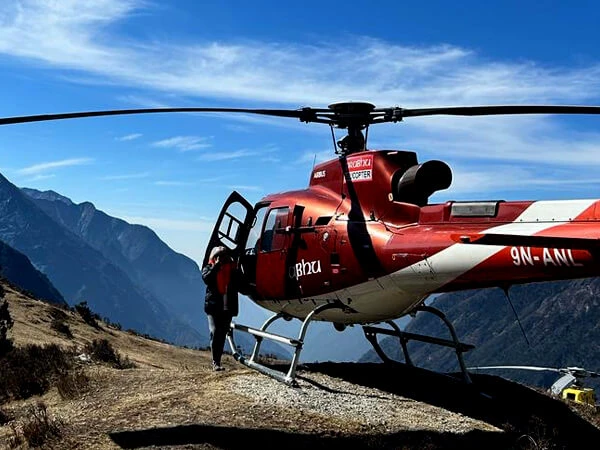
In addition, if you suffer from a high acute sickness and your health condition gets worse, then you may need emergency medical evacuation. At that time, you don’t have to pay extra costs. If you have purchased travel insurance, including helicopter coverage in the Himalayas exceeding 3000 m. The major purpose of the insurance is to ensure your safety and health and protect you against trip cancellation, lost baggage, or delayed flights. It also works as a financial safeguard while you enjoy your dream journey, as these treks involve severe ascents and rugged perspectives. Therefore, ensure that you have travel insurance for extra security and are ready to tackle any emergencies you might face during the journey.
What essentials should you carry for the Kanchenjunga North Base Camp Trek-15 days?
Trekking to Kanchenjunga North Base Camp requires strategic packing, given its remoteness and tough conditions. The necessary items comprise:
- Trekking gear: You should wear boots that are comfy, fitting, and have a good grip.
- Walking poles: These help you to continue your journey
- Clothes: Wear layers for changing temperatures.
- Sleeping bag: for high-altitude and cold-weather use, as at night it gets very cold.
- Water purification system: Some tablets or filters must be carried in the unlikely event that the drinking water source is unsafe.
- Personal medications: any Grazer medications needed for personal use; standard first-aid supplies;
- Headlamp/torch: This is for guaranteed light in case of early departures or dark evenings.
- Snacks: For good energy, meat-ixed nuts, chocolate, or energy bars!
- Sun protection: sunscreen, sunglasses, and a wide hat against UV rays at high altitudes.
- Camera: To capture incredible memories of the journey.
Kanchenjunga North Base Camp Trek Transportation:
The Kanchenjunga North Base Camp Trek Transportation includes every means of transportation that you use during the trek to the Kanchenjunga North Base Camp, such as flights and local or private Jeeps. The journey begins in Kathmandu, and you will fly to Bhadrapur for a flight of 45 to 50 minutes. Afterward, have a short drive to the bus station to search for a local jeep for a continuing journey. From here, you will drive to Phikkal by private jeep for the night’s stay. After reaching the beautiful place of Phikkal in the Illam district, immerse yourself in its charm with green tea gardens, emerald hills, and a cool climate. It’s an essential transit point for travelers heading toward the Kanchenjunga region.
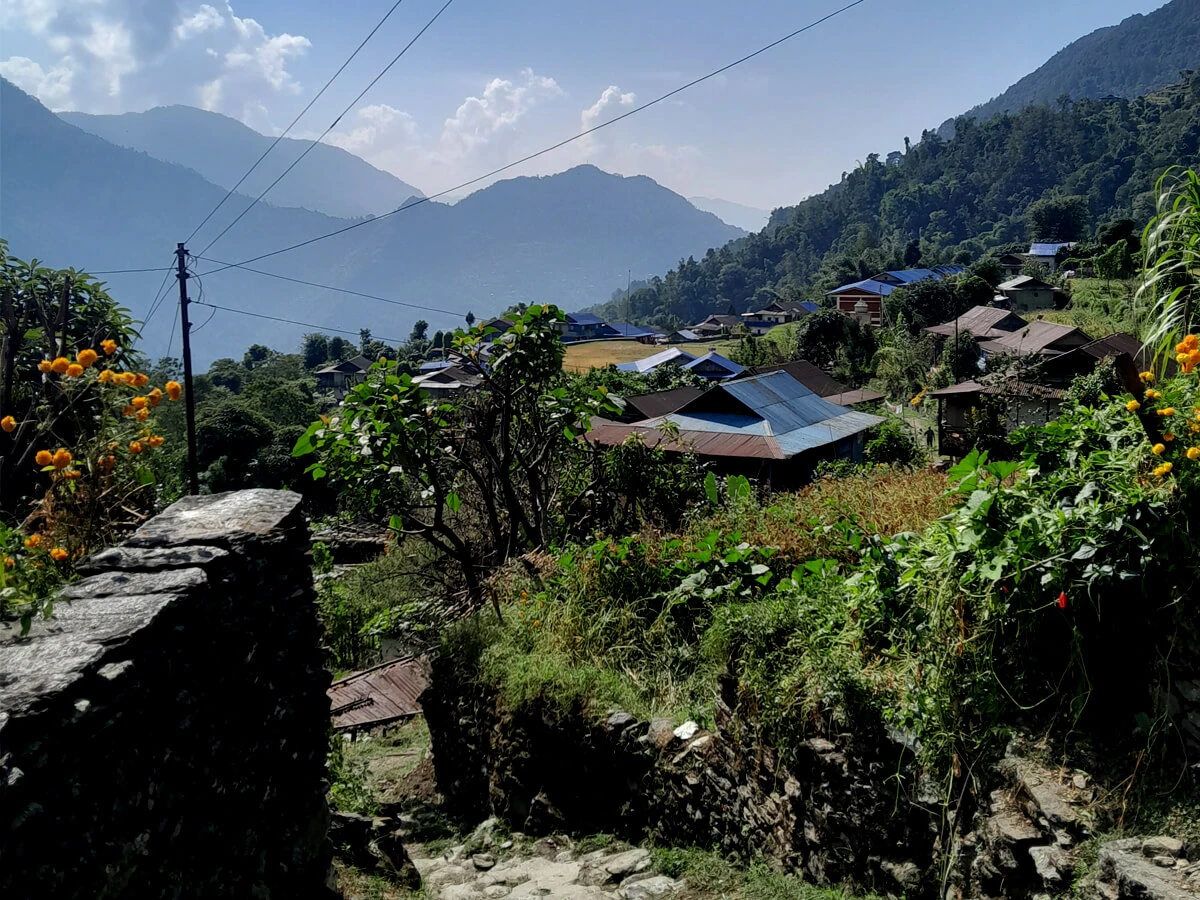
The next day, early in the morning, head to Sekathum directly by riding for 5 to 6 hours along quaint settlements, terraced fields, and verdant forests with mind-blowing scenery. After a long drive, we eventually reach Sekathuma and check into the teahouse to unwind and prepare for the trek the next day. From here, you begin your trek officially, and over the next several days, enjoy walking through numerous traditional villages, alpine terrain, lush forests, and river valleys, gradually climbing toward the base camp.
After accomplishing the odyssey, get back from Sekathum by local or private jeep to Taplejung, a major town in the Kanchenjuga region that serves as an important transit point for travelers. From here, you will have another thrilling Jeep driving experience to Phikkal, and the next day, drive to Bhadrapura, then fly to Kathmandu Valley.
The Kanchenjunga North Base Camp itinerary is fully customizable according to your needs and wishes. We have outlined a standard day-to-day itinerary; however, we remain flexible for any changes as per your request. If you would like to alter the route, extend the trek, or lessen the duration, we are concerned about it, and after discussion, we will customize it accordingly before the start of your trip. In addition, if you find it appropriate, you and the guide can decide to add extra rest days, visit some extra places, or complete the trek earlier, depending on your pace, fitness, and overall experiences during the trek. It’s your adventure, your choice.