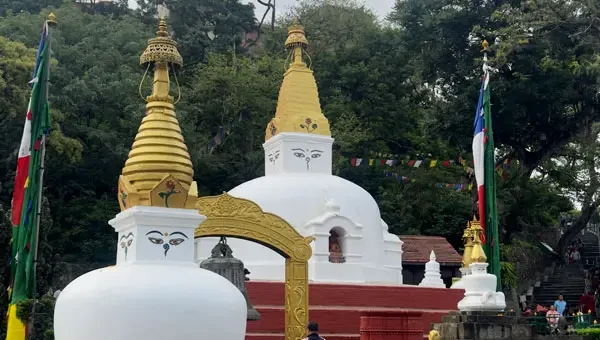
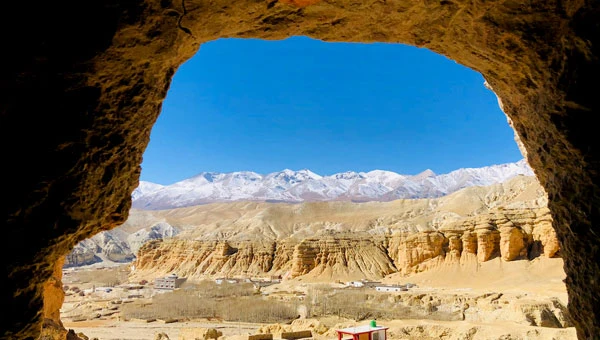
What is the Tiji Festival?
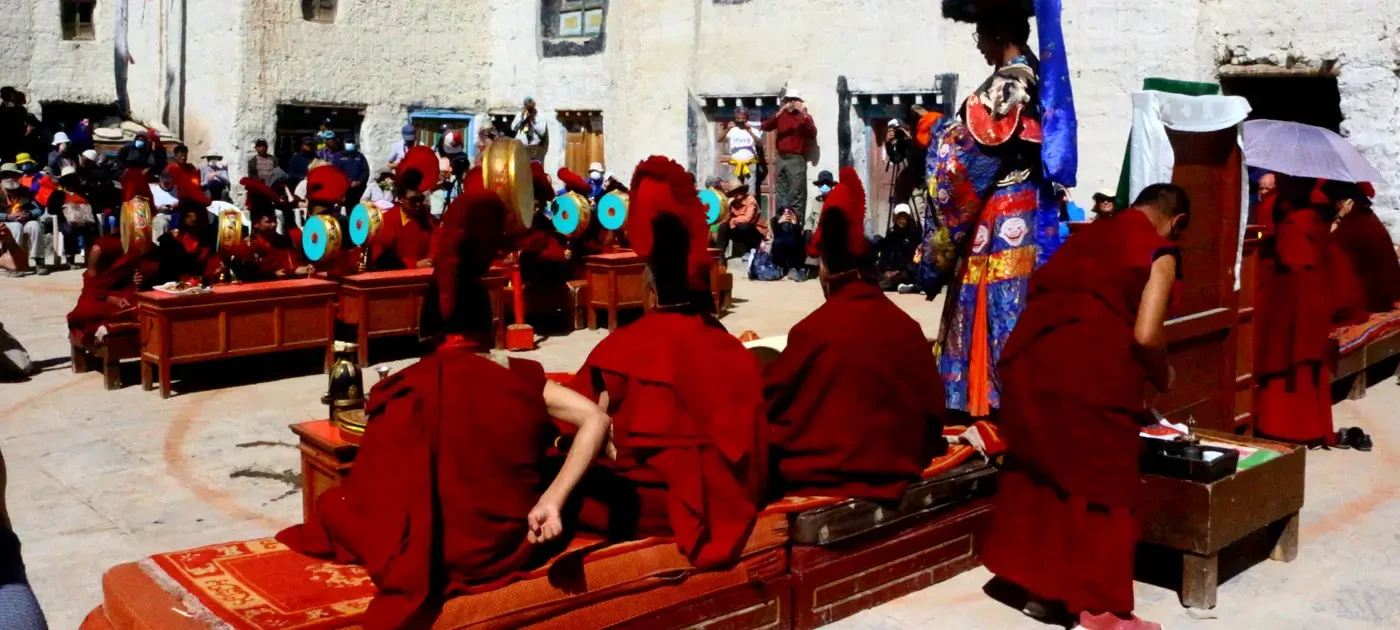
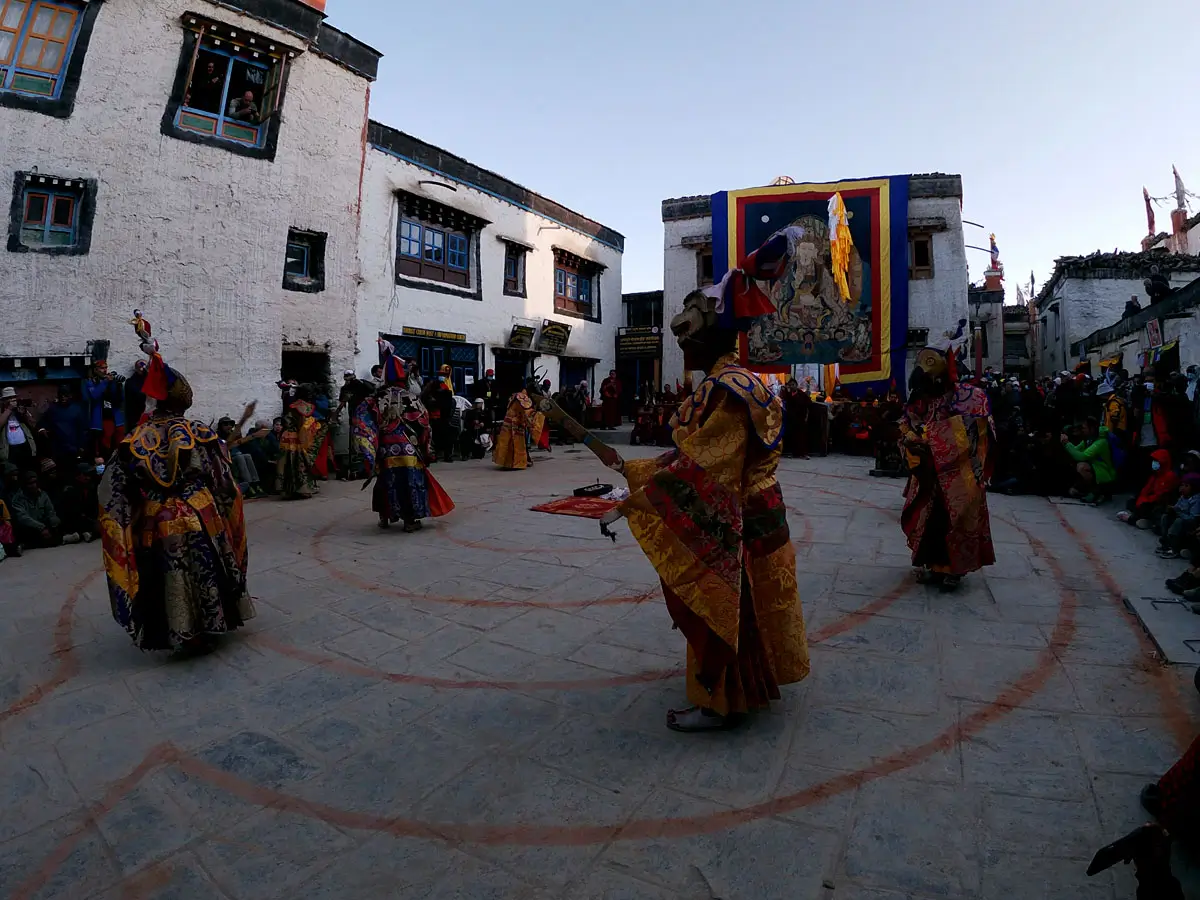
Tiji Festival is a three-day Buddhist celebration held in Lomanthang, Upper Mustang. The word Tiji comes from "Tenpa Chirim," which means "prayer for world peace." Local monks perform sacred masked dances called Cham at the center of the celebration.
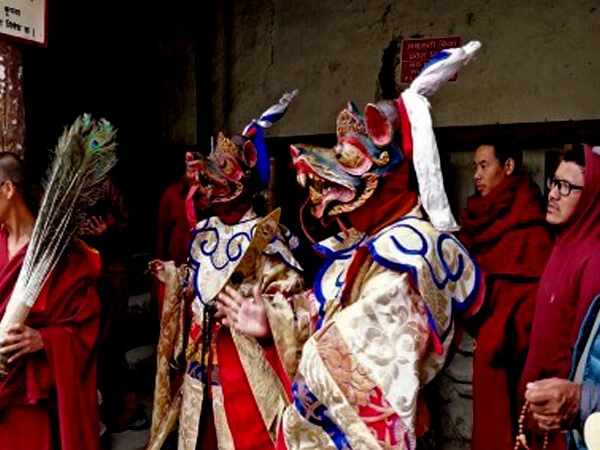
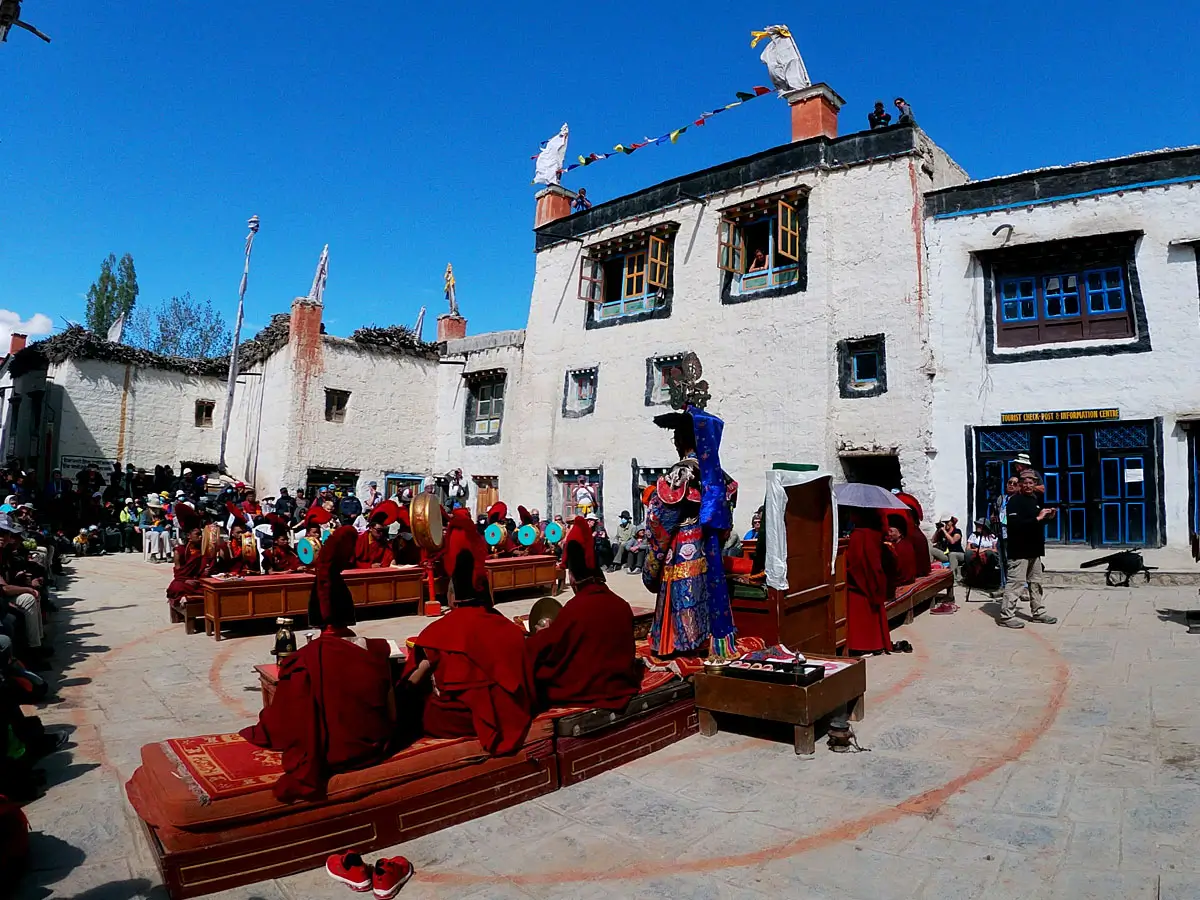
Each dance tells part of a story passed down for generations. The dancers wear detailed costumes and painted masks that represent gods, demons, and protectors, and every movement and every mask carries its own meaning. The festival is not only about performance for the people of Mustang. It is a time for prayer, community, and pride in a culture passed down for centuries. Families come from nearby villages to take part. Local shops are filled with good food and handmade crafts.
Story Behind the Tiji Festival: The Legend of Dorje Jono
The Tiji Festival reenacts the story of Dorje Jono. He is a deity who defeated the demon Man Tam Ru, and this victory brought peace to Mustang. The story comes from Vajrayana Buddhism, a tradition also known as Tibetan Buddhism. Guru Padmasambhava, or Guru Rinpoche, also referred to as the second Buddha by his followers, introduced it to Tibet in the 8th century. He played a major role in spreading Tantric Buddhism in Tibet, as well as in the Himalayan region of Nepal.
The tradition of the Tiji festival comes from this same tantric tradition. Long ago, people believed strongly in tantric practice and meditation. Spiritual teachers used these practices to understand suffering and protect their communities. It was within this belief system that the story of Dorje Jono took shape.
The story is built around a deity named Dorje Jono. He is the son of a demon and a Buddhist protector spirit, also known as a reincarnation of Buddha. A myth tells that a powerful demon named Man Tam Ru once lived in the Mustang region and fed on human flesh. Local tantric gurus used their spells to protect the villages, which kept the demon away from the people. Angry at this, the demon took revenge in a different way. This demon brought drought, disease, and disaster to the land and its people. After this, water became scarce, crops began to fail, and the community suffered as a result. Dorje Jono, using his power and wisdom, fought the demon in a long battle. After a hard struggle, he defeated the demon and drove it out of Mustang. The demon was gone, and peace returned to the valley.
Tiji Festival reenacts this exact battle. To mark this victory, the people of Mustang began performing masked dances that reenact the battle. Monks dressed as Dorje Jono and other deities dance. To this day, the Tiji Festival remains both a myth and a living ritual, performed every year to protect the valley and to celebrate the victory of good over evil.
When is the Tiji Festival 2027?
The Tiji Festival 2027 will be held in Lomanthang, Upper Mustang, from June 1 to June 3, 2027. Tiji always follows the Tibetan lunar calendar, not the standard Gregorian calendar, so the exact dates shift slightly from year to year. This is a common question for travelers planning ahead, since the festival does not fall on the same days every year.
The festival always takes place before the summer monsoon arrives in most parts of Nepal, though Upper Mustang stays largely dry due to its location in the Himalayan rain shadow. This timing makes travel conditions favorable, with clear mountain views and stable weather across the region. Trekkers wanting to witness the Tiji Festival in person should confirm the exact dates each year in advance, since they are set by the local monastery according to the lunar calendar and announced closer to the event.
Where Is the Tiji Festival Celebrated?
Tiji Festival is celebrated in Lomanthang, the old walled capital of Upper Mustang in Nepal. The three-day festival takes place in the courtyard of the former royal palace, where this Buddhist masked dance festival has been held for generations. In this same courtyard, monks from the town’s monastery perform the sacred Cham dances that their predecessors have been doing for centuries.
To this day, Lomanthang remains the only place where the Tiji Festival is celebrated in its original form. This makes the location itself a central part of the festival's meaning, history, and continued authenticity.
Importance of Tiji Festival in Upper Mustang
Tiji Festival plays a central role in how the people of Mustang keep their identity, religion, and history alive. Mustang stayed cut off from the outside world for centuries. Because of this, traditions like Tiji have kept the culture of the old Kingdom of Lo alive to this day.
Religious and Spiritual Significance
This masked dance festival strengthens the bond between local monasteries and the community. Monks train for weeks to prepare the sacred Cham dances, and this process passes ancient knowledge from older monks to younger ones. Through this practice, Tijif estival keeps Vajrayana Buddhism alive in Upper Mustang. It also keeps its rituals, symbols, and stories alive for the next generation.
Role in Community Life
Tiji festival brings the whole community together in one place. Families travel from nearby villages to attend this Tibetan Buddhist celebration in Lomanthang. For a few days, the festival becomes a shared moment of prayer and celebration. This matters most in a region shaped by farming and remote village life. Tiji Festival offers people a rare chance to gather and reconnect as one community.
Economic Importance for Upper Mustang
Tiji Festival also supports the local economy of the Mustang region. Every year, it draws travelers from around the world to Lomanthang. This brings income to local lodges, guides, and porters during the festival period. Because of this, the Tiji Festival now carries both a spiritual purpose and a modern economic one. It helps sustain the culture and the livelihoods of the people who keep this Himalayan festival alive.
How Do You Get to the Upper Mustang Tiji Festival?
There are two main ways to reach Lomanthang for the Tiji Festival: trekking from Jomsom over about 5 days, or a faster jeep tour from Pokhara over about 3 days. Your choice depends on your fitness level and how much time you have. Both routes pass through the same restricted region of Upper Mustang and end in the walled city of Lomanthang, where the Tiji Festival takes place.
Trekking to Upper Mustang Tiji Festival
If you want to walk the full route and experience the villages along the way at a slower pace, trekking is the traditional way to attend the Tiji Festival. This route runs from Jomsom through Kagbeni, Chele, Syangmochen, and Ghami before reaching Lomanthang. You walk around 5 to 6 hours each day on this route, passing through small villages and open highland terrain. You reach Lomanthang in about 5 days from Jomsom. We run this route as our Upper Mustang Tiji Festival Trek 2027, an 18-day itinerary with enough time built in to witness all three days of the festival. This option suits travellers who enjoy walking and want a slower, more complete experience of the region.
Upper Mustang Tiji Festival Trek 2027: Day-by-Day Itinerary
Here is the day-by-day itinerary for the Upper Mustang Tiji Festival Trek 2027:
Day 1: Arrive in Kathmandu (1,350m).
Day 2: Preparation day in Kathmandu (1,350m).
Day 3: Drive to Pokhara (860m), 220 km, 6 to 7 hours.
Day 4: Fly to Jomsom (2,715m) and trek to Kagbeni (2,858m), 4 hours.
Day 5: Trek to Chele (3,050m), 5 to 6 hours.
Day 6: Trek to Syangmochen (3,800m), 5 hours.
Day 7: Trek to Dhakmar (3,820m), 5 to 6 hours.
Day 8: Trek to Lomanthang (3,700m), 5 to 6 hours.
Day 9: First day of Tiji Festival in Lomanthang (3,700m).
Day 10: Second day of Tiji Festival in Lomanthang (3,700m).
Day 11: Third day of Tiji Festival in Lomanthang (3,700m).
Day 12: Trek to Yara (3,760m), 5 to 6 hours.
Day 13: Trek to Tangbe (3,320m), 6 to 7 hours.
Day 14: Trek to Chuksang (3,050m), 8 to 9 hours.
Day 15: Trek to Muktinath (3,800m), 8 hours.
Day 16: Drive to Jomsom, fly to Pokhara, and transfer to your hotel.
Day 17: Drive back to Kathmandu, 6 to 7 hours.
Day 18: International departure
Jeep Tour to Upper Mustang Tiji Festival
If you have limited time or prefer not to walk long distances each day, reaching Lomanthang by vehicle is a faster way to attend the Tiji Festival. This route runs from Pokhara through Kagbeni and Ghami before reaching Lomanthang. You drive around 3 to 4 hours each day, apart from the first long drive day from Pokhara to Kagbeni. You reach Lomanthang in about 3 days from Kagbeni. We run this route as our Upper Mustang Tiji Festival Jeep Tour 2027, which still allows enough time to witness the festival. This option suits travelers on a tighter schedule who prefer not to trek for multiple days.
Upper Mustang Tiji Festival Jeep Tour 2027: Day-by-Day Itinerary
Here is the day-by-day itinerary for the Upper Mustang Tiji Festival Jeep Tour 2027:
Day 1: Arrive in Kathmandu (1,350m).
Day 2: Drive to Pokhara (822m), 6 to 7 hours.
Day 3: Drive to Kagbeni (2,804m) via Dhumba Lake.
Day 4: Drive to Ghami (3,520m), 3 to 4 hours.
Day 5: Drive to Lomanthang (3,800m), 3 to 4 hours.
Day 6: Explore Lomanthang (3,800m).
Day 7: Final day of Puja in Lomanthang (3,800m).
Day 8: Drive to Jomsom (2,700m) and visit Muktinath.
Day 9: Drive to Pokhara (822m), 6 to 7 hours.
Day 10: Drive to Kathmandu (1,350m), 6 to 7 hours.
Day 11: International departure.
Three Days of the Tiji Festival: Rituals and Ceremonies
Tiji Festival runs for three days in Lomanthang: Tsa Chham, Nga Chham, and Dho Chham. Each day carries its own name, purpose, and set of sacred dances. Together, these days tell the full story of Dorje Jono's battle against the demon Man Tam Ru.
Day One: Tsa Chham
The first day of this Buddhist masked dance is called Tsa Chham. On this day, monks perform slow, deliberate dances meant to prepare the sacred space and call upon protective deities. This opening day sets the spiritual foundation for the ceremonies that follow. Dancers wear detailed painted masks, move slowly and deliberately, and each step follows a pattern taught by senior monks over many years.
Day Two: Nga Chham
The second day is called Nga Chham. This day focuses on the confrontation between Dorje Jono and the demon. The Cham dances grow more intense on this day, as dancers portray the buildup to the battle. The masks worn during this stage of the Tibetan Buddhist ritual represent wrathful protectors, meant to frighten away negative forces and show the power gathering against demons.
Day Three: Dho Chham
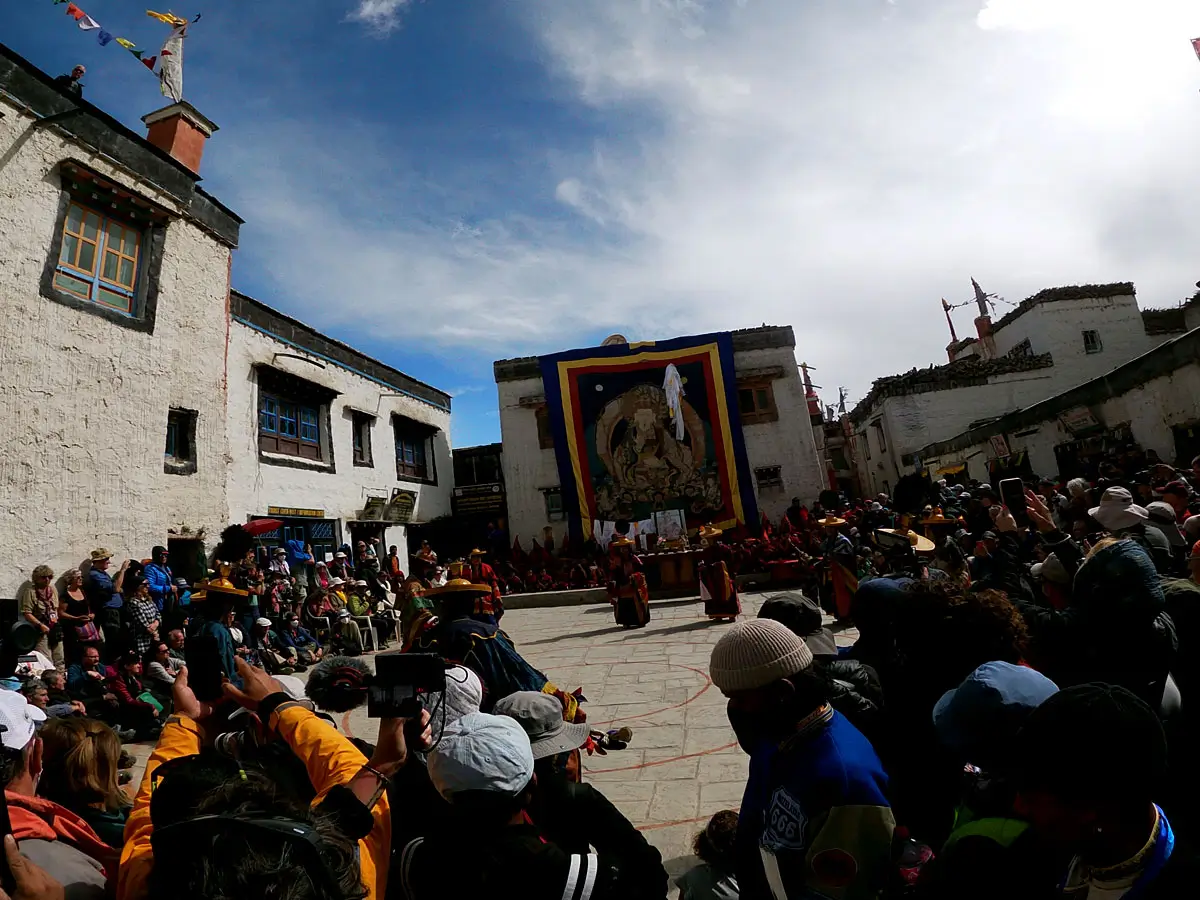
The third and final day is called Dho Chham. This day marks the defeat of the demon and its removal from the valley. The dances end with a symbolic act, often involving effigies or ritual objects representing the demon, which are destroyed or carried away. This closing ceremony of the Mustang festival marks the return of peace to Mustang, and it draws the largest crowd of the three days, since it delivers the most dramatic and visually striking part of the festival.
Throughout all three days, the courtyard of the old royal palace in Lomanthang serves as the main stage for this Himalayan cultural event. Local families sit alongside trekkers and travelers, and the atmosphere shifts gradually from solemn ritual to open celebration as the festival reaches its conclusion.
Best Time to Visit Upper Mustang Tiji Festival
The best time to visit the Tiji Festival is during the festival itself, in early June, since the exact dates change slightly every year based on the Tibetan lunar calendar. In 2027, Tiji Festival falls between June 1st and June 3rd in Lomanthang.
June also falls just before the monsoon reaches most of Nepal. Upper Mustang stays largely dry even during monsoon season, since it sits in the rain shadow of the Himalayas, but June still offers the clearest skies and most stable trekking conditions of the year. Daytime temperatures stay comfortable for walking, while nights remain cold at this high altitude.
Since the Tiji Festival only happens once a year, visiting outside these three days means missing the event entirely. Travelers planning a trip around the festival should confirm the exact dates a few months in advance, since the local monastery sets them according to the lunar calendar and announces them closer to the event.
Upper Mustang Tiji Festival Permit Requirements and Cost
Three permits are mandatory for the Tiji Festival, since the route passes through a restricted area, a conservation zone, and general trekking regulations across Nepal. The Nepal government enforces this to protect Upper Mustang's culture, environment, and border security near Tibet.
Restricted Area Permit (RAP)
- Issued by: Department of Immigration, Kathmandu
- Cost: USD 500 per person for the first 10 days, plus USD 50 per person per additional day
- Required: Mandatory for all travelers entering Upper Mustang; can only be arranged through a registered trekking agency
Annapurna Conservation Area Permit (ACAP)
- Issued by: National Trust for Nature Conservation (NTNC), Kathmandu or Pokhara
- Cost: NPR 3,000 per person (approximately USD 22 to 25)
- Required: Mandatory for all trekkers entering the Annapurna Conservation Area, since Upper Mustang falls within this zone
TIMS Card (Trekkers' Information Management System)
- Issued by: Nepal Tourism Board (NTB) or TAAN offices, Kathmandu or Pokhara
- Cost: USD 10 to 20 per person, depending on trekking type
- Required: Mandatory for all trekkers in Nepal
What Makes the Tiji Festival Different From Other Mustang or Nepal Festivals
Nepal celebrates many festivals throughout the year, but Tiji Festival stands apart from most of them in location, purpose, and access.
A Festival Celebrated Only in Upper Mustang
Most festivals in Nepal, such as Dashain or Tihar, are celebrated across the entire country, in cities and villages everywhere. The Tiji Festival happens only in one place, the walled city of Lomanthang in Upper Mustang. To witness it, you must travel deep into one of the most remote parts of the Himalayas. This makes the Tiji Festival far more exclusive than most national celebrations in Nepal.
A Religious Ritual, Not a Seasonal Festival
Tiji Festival also differs from other festivals within Mustang itself. Yartung, held in late summer, centers on horse racing and community gathering rather than religious ritual. Losar marks the Tibetan New Year with family celebration and renewal. Tiji Festival, by comparison, is built entirely around sacred Cham dances performed by monks. These dances reenact the legend of Dorje Jono rather than marking a seasonal or calendar event. This gives the Tiji Festival a spiritual depth that few other Himalayan festivals share.
A Festival Open Only Through a Restricted Permit
Since Upper Mustang is a restricted area, attending the Tiji Festival requires a special permit that most festivals in Nepal do not require. Only a limited number of trekkers and travelers witness the full three days each year. This keeps the festival closely tied to the local Buddhist community rather than becoming a mass tourist event.
A Tradition That Has Stayed Authentic for Generations
Unlike many festivals that have grown into large tourist events, Tiji Festival has kept its original form. This restricted access is part of what has helped this Vajrayana Buddhist tradition stay true to its roots across generations, even as Upper Mustang has slowly opened to the outside world since 1992. Monks still perform the same Cham dances their predecessors performed centuries ago, in the same courtyard, following the same rituals.
Practical Tips to Attend the Upper Mustang Tiji Festival
Visiting Upper Mustang for the Tiji Festival takes some preparation, since the region is remote, high-altitude, and only open with registered permits. These practical tips help you plan a smooth trip to this Himalayan cultural festival.
Book Your Trip Early
Lodges in Lomanthang are limited in number, and they fill up fast during the Tiji Festival period, often months in advance. So, booking your Upper Mustang trip early gives you a better chance of securing good accommodation and confirming your Restricted Area Permit without last-minute delays.
Pack for a Cold, Dry, High-Altitude Climate
Upper Mustang lies in the Himalayan rain shadow, so the region stays dry through most of the year. Even so, temperatures drop sharply at night, even during the early summer festival season. Pack warm layers, a windproof jacket, sunglasses, and sunscreen, since strong daytime sun and cold evenings are both common at this altitude.
Prepare for the Altitude in Lomanthang
Lomanthang is a high-altitude village located above 3,800 meters, so it is quite common for first-time visitors to experience mild altitude symptoms like shortness of breath or fatigue. Walking at a steady pace, drinking enough water, and allocating an extra day or two of adjustment to your itinerary usually help most trekkers and travelers acclimatize comfortably before the festival begins. You may also want to consider arriving in Lomanthang at least a day before the festival to give your body time to adapt to the change in altitude, so you can enjoy all three days of the Tiji festival without any discomfort.
Carry Enough Cash for the Trip
Jomsom is your last access point for an ATM before entering Upper Mustang. Once you head beyond Jomsom, you will not find any ATMs in the region, so carry enough Nepali currency to cover your entire trip. Lodges, teahouses, and local shops throughout Upper Mustang accept cash only.
Follow Local Customs and Festival Etiquette
Dress modestly, ask before photographing monks or local families, and avoid walking through the ceremonial space during the Cham dances. These small habits are appreciated by the local community and help preserve the authenticity of this sacred Buddhist tradition for future visitors.
Travel With a Registered Trekking Agency
Since Upper Mustang requires a Restricted Area Permit that only registered agencies can issue, traveling with an experienced local operator simplifies the entire process. This includes permit paperwork, lodge bookings, and staying updated on the confirmed Tiji Festival dates each year, which shift slightly based on the Tibetan lunar calendar.
Conclusion
Tiji Festival is one of the most important Buddhist celebrations in the Himalayas, carrying the story of Dorje Jono, the rituals of Vajrayana Buddhism, and the identity of the old Kingdom of Lo into the present day. Watching the Cham dances in the courtyard of Lomanthang's royal palace gives visitors a rare, firsthand look at a culture that has stayed alive despite centuries of isolation. Whether you trek in through Kagbeni and Chele or reach Lomanthang faster by jeep, attending the Tiji Festival 2027 in Upper Mustang is possible with the right permit, some preparation for the altitude, and early planning around the festival's dates. If you are ready to witness this Himalayan cultural festival for yourself, our team can help you plan every step, from permits to your final day in Lomanthang.