What is Rice Planting Day (Dhan Diwas) in Nepal?
Rice Planting Day is Nepal's most important agricultural festival and one of the most widely observed cultural occasions in the Nepali calendar. It falls on the 15th day of the Nepali month of Asar, which is usually in late June or early July, depending on the year. This marks the beginning of the rice transplanting season across Nepal, when young rice seedlings, grown in nursery beds over three to four weeks, are ready to be transplanted into the main paddy fields.
The Many Names of Rice Planting Day
Rice Planting Day has several names across Nepal, and each one conveys a distinct meaning about the day.
Dhan Diwas: The Government of Nepal has officially recognized it as Dhan Diwas since 2061 BS or 2004 AD. Dhan is what Nepali people call paddy or unhusked rice, and Diwas simply means day. So it is also called National Paddy Day. This is the formal title that the government uses when they talk about Asar 15 in formal events and programs.
Ropain Diwas: Ropain Diwas focuses on the activity rather than the crop. Ropain means transplanting or planting, so this name translates directly to Rice Planting Day. It is the name most closely associated with the agricultural work happening in the fields.
Dahi Chiura Khane Din: This is the name most ordinary Nepalis use in everyday conversation. It means the day to eat curd and beaten rice, and it points to the food tradition that has become inseparable from the festival.
Asar Pandra: Asar Pandra is simply the Nepali way of saying the 15th of Asar, Pandra being the Nepali word for fifteen. It is the most casual and widely used reference to the day in everyday speech.
Four names, one festival. Each one captures a different truth about what the day actually is.
A Day Everyone Can Join
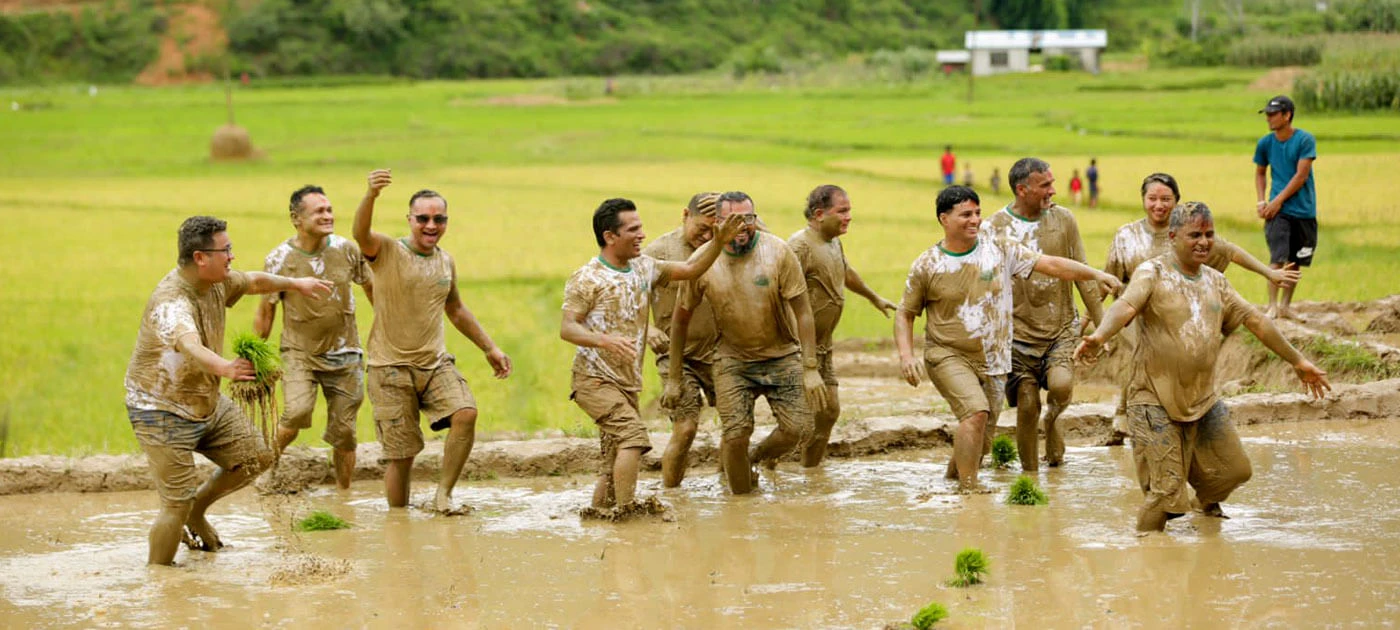
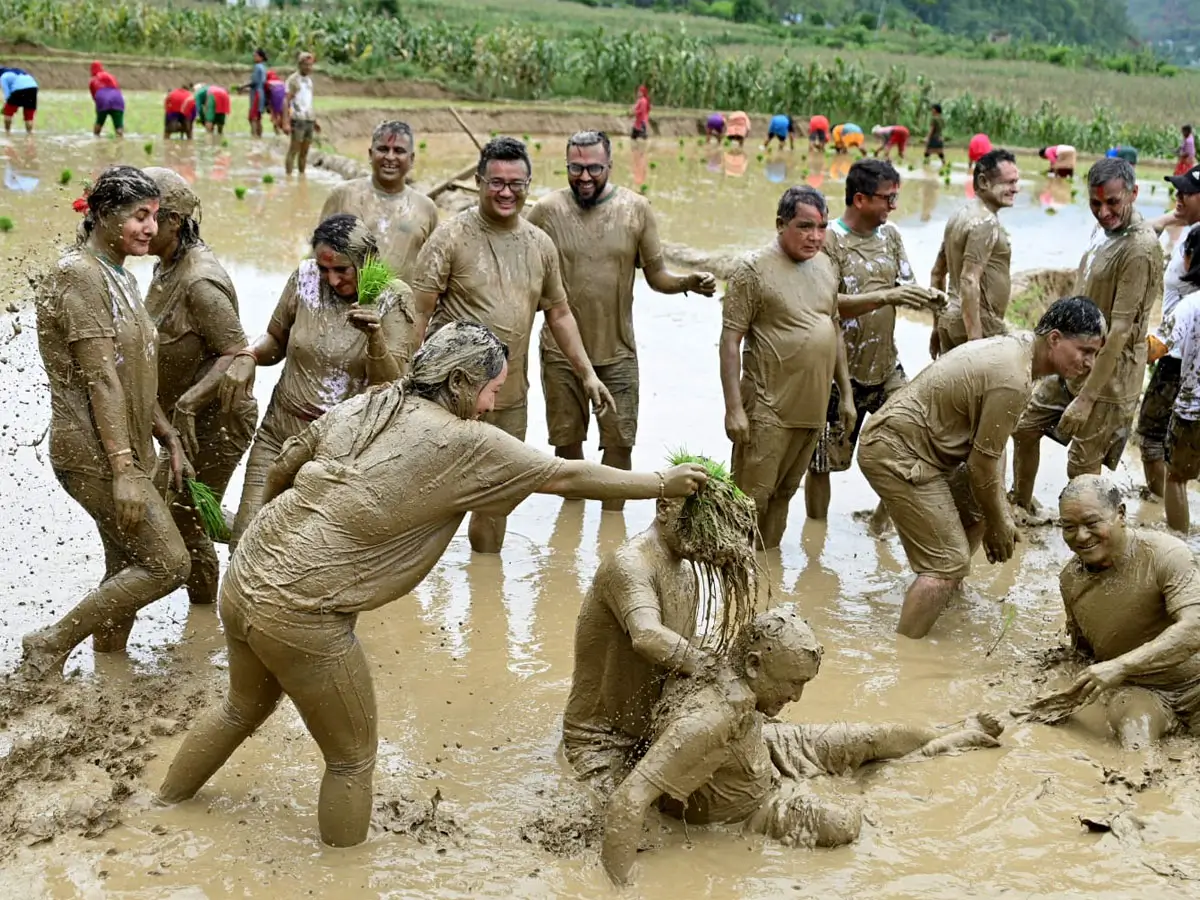
What makes Asar 15 (Rice Planting Day) special is that people do not just sit around and watch the celebration. They become part of it. Farmers head to the fields to plant rice, and families gather to enjoy Dahi Chiura. People from the different communities come together to sing, work, and celebrate. The day is full of activity, laughter, and shared traditions. By the end of it, many people are covered in mud from the fields, which is all part of the fun. For many Nepalese, getting muddy, sharing food, and spending time with family and neighbors are some of the most memorable parts of Aasar 15.
When is the Paddy Day (Dhan Diwas) Festival in Nepal in 2026? (English and Nepali Date)
In 2026, Dhan Diwas falls on Monday, June 29, and on Asar 15, 2083 BS (असार १५, २०८३ बि.सं.) in the Bikram Sambat calendar that Nepal officially follows.
Although it is not a public holiday, Paddy Day is widely observed with rice planting activities, traditional songs, community gatherings, and the custom of eating dahi chiura. Every year, thousands of people take part in the celebrations, making it one of Nepal's most recognized agricultural and cultural occasions.
Why Is Paddy Day (Dhan Diwas) Important?
For Farming families, Dhan Diwas is more than a day of celebration. Their livelihood depends on the rice they grow, making the start of the planting season one of the most important times of the year. This is why this day holds such deep significance in farming communities.
Paddy Day (Dhan Diwas) has been celebrated as National Paddy Day since 2061 BS. This day is to recognize the hard work and dedication of farmers across the country. It reminds us that agriculture plays a vital role in supporting millions of Nepali households and ensuring food security.
Beyond its agricultural importance, Dhan Diwas is also a day when people in the community come together. Families and friends gather in the fields where rice is grown to plant rice seedlings. They often sing songs, laugh, and share food. This helps make the community stronger and keeps customs and farming ways alive.
How Is Rice Planting (Paddy Day) Celebrated In Nepal?
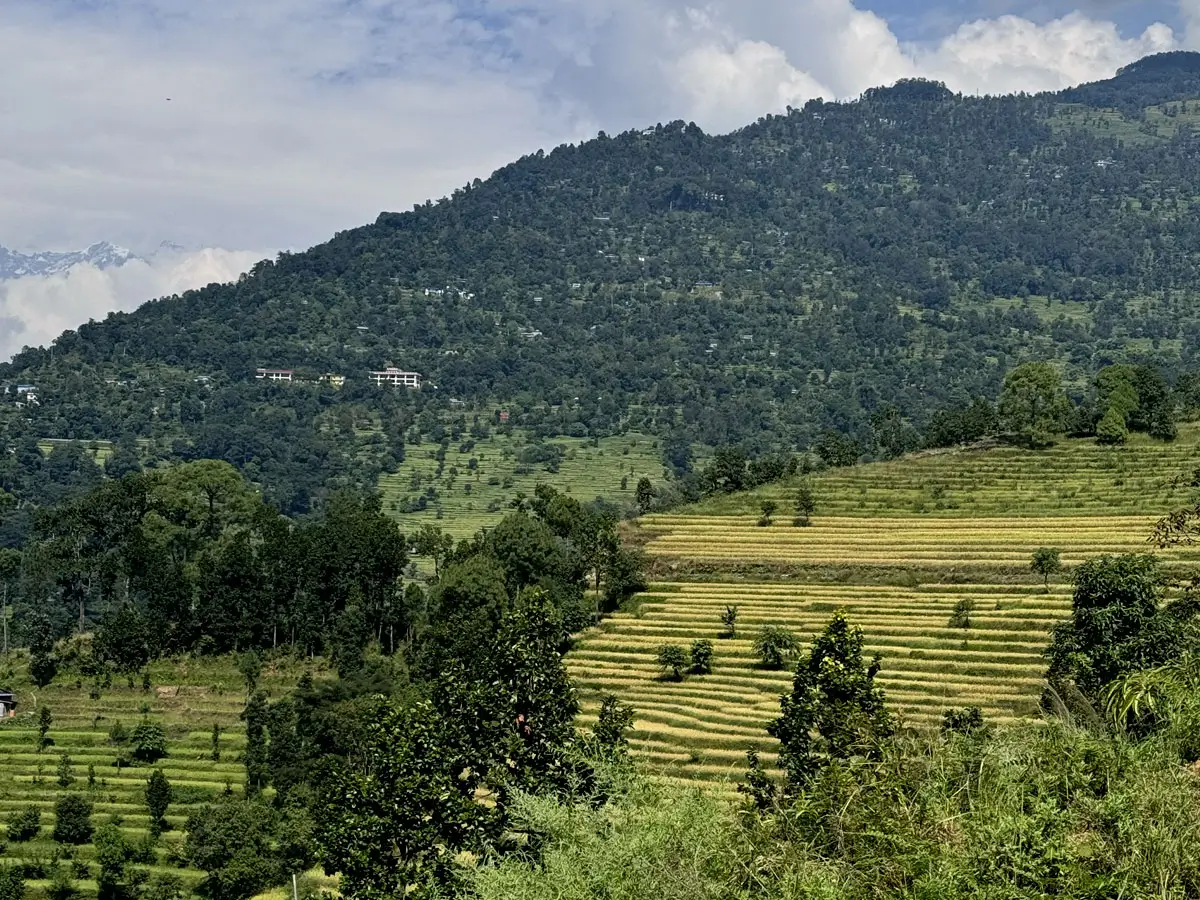
Paddy Day is celebrated across Nepal with a unique blend of agriculture, tradition, and community spirit. This is the start of the rice planting season, when farmers head to the fields to transplant rice seedlings. Since rice is Nepal's most important crop, the occasion holds special significance for farming communities throughout the country.
In the fields
Asar 15 starts in the fields and stays there all day. Farmers wake up early, go to the paddies, and begin planting. Men and women work together, putting rice plants into the mud row by row. The work is physical and the day is long, but on Asar 15, nobody minds.
Asare Geet: Folk Songs of the Fields
While the planting goes on, the singing goes on too. Farmers sing traditional folk songs called asare geet as they work. One person starts singing, then others join in. The songs are old and passed down through families. The songs are about farming, rain, harvest, and everyday life. Some are funny, some are about longing, and some are simply about the work itself. When you hear these songs coming from a flooded paddy field in the morning, it is something you will always remember.
Mud Play and Laughter
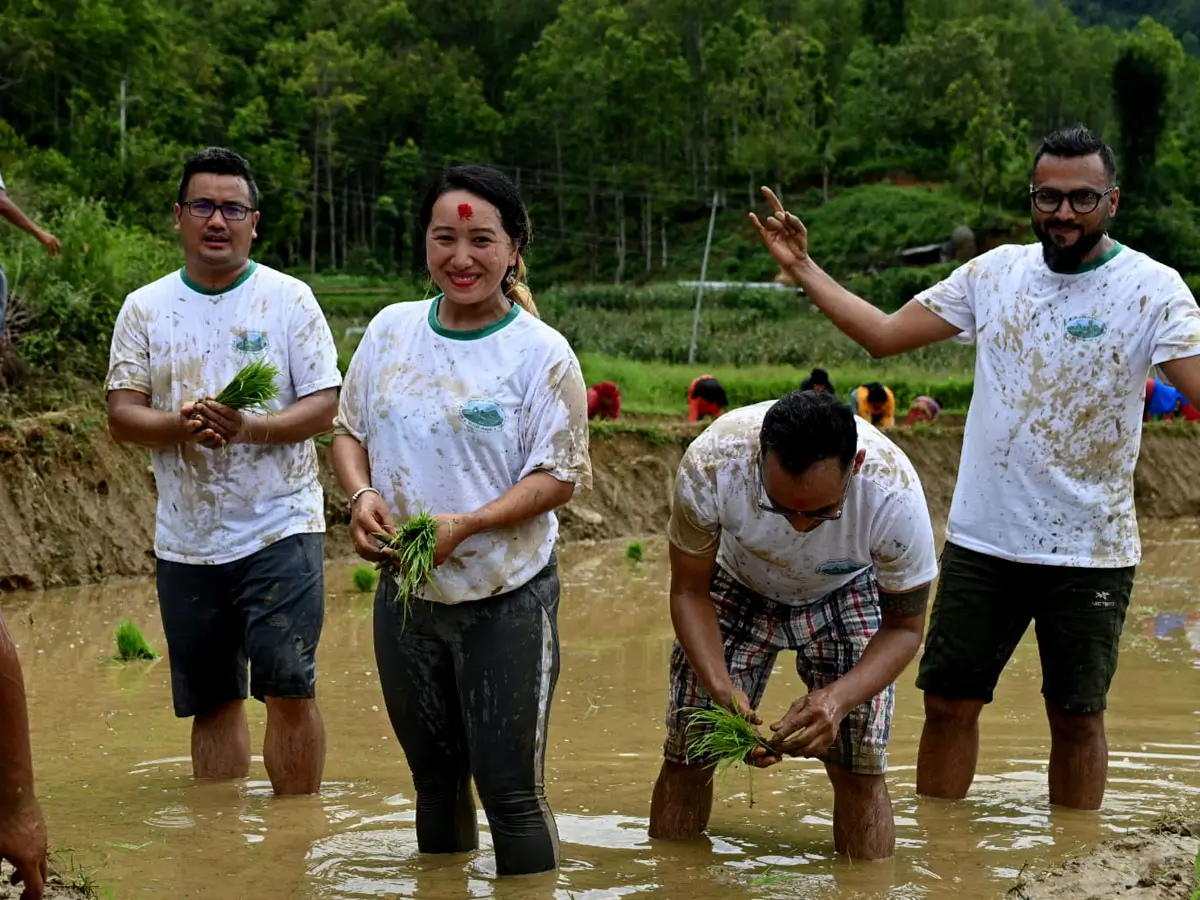
At some point during the day, the mood shifts and the mud becomes the whole point. Mud throwing starts, usually among the younger people, and it spreads quickly. Clothes get ruined, faces get covered, and the serious business of planting turns into something much louder and messier. Nobody planned it. Nobody organized it. It just happens every year on Asar 15, the same way it always has. For a lot of Nepalis, this is the part of the day they remember most.
How Urban Areas and Villages Celebrate
In villages, people spend the day in the fields. The whole community comes out together to plant, sing, eat, and celebrate from morning until the work is done.
In cities like Kathmandu, it looks different, but the feeling is the same. Schools organize small planting events in their grounds. During lunch, offices take a break to share a plate of Dahi Chiura. Local governments and community groups also hold public programs across the valley. People who have never farmed a day in their lives still find a way to celebrate Asar 15.
Many young people now join the event too. They get into the muddy fields, take photos, make videos, and enjoy the day with friends while experiencing a tradition that has been celebrated for generations.
Dahi Chiura: The Traditional Food of Asar 15
Asar 15 celebration is not complete without Dahi Chiura, a simple and beloved combination of curd and beaten rice. The tradition is so closely associated with the festival that the day is widely known as Dahi Chiura Khane Din, meaning "the day of eating curd and beaten rice."
What is Dahi Chiura?
Dahi (curd or yogurt) is traditionally made from cow or buffalo milk and has a smooth, creamy texture with a refreshing, tangy taste. Chiura is made by processing rice into thin flakes that can be eaten without cooking. When combined with Dahi, they become a simple yet filling meal that has been enjoyed in Nepal for generations.
One of the reasons dahi chiura remains so popular is its simplicity. It requires very little preparation and can be served immediately, making it a convenient choice during busy farming seasons, family gatherings, and cultural celebrations. Despite its simplicity, it continues to hold a special place in Nepali food culture and tradition.
Why Do People Eat Dahi Chiura on Asar 15?
The tradition of eating dahi chiura on Asar 15 began for a simple reason. During the rice planting season, farmers spent long hours working in muddy fields and needed a meal that was easy to prepare, convenient to carry, and filling enough to keep them going throughout the day. Chiura was an ideal choice because it required no cooking and could be eaten anywhere. Paired with dahi, it became a refreshing and nutritious meal during the busy planting season. The combination was practical, affordable, and readily available in many households.
Over time, this simple farming meal became an important part of the Asar 15 celebration. Today, people across Nepal continue the tradition of eating dahi chiura, whether they work in agriculture or not. For many, it is a way to celebrate the festival, honor Nepal's farming heritage, and stay connected to a tradition that has been passed down through generations.
Who organizes the Rice Planting (Dhan Ropain) festival?
One of the best things about Asar 15 is that you do not have to travel far to experience it. Several local communities, government agricultural offices, schools, and social organizations such as the Village Tourism Promotion Forum Nepal (VITOF Nepal) often organize public rice planting (Dhan Ropain) events across the Kathmandu Valley and other parts of Nepal.
These events are open to everyone. You do not need a registration form or a ticket to attend these events. You can just show up at these events. Local farmers are there to guide the people who come to these events through the process of planting, how to hold the seedlings, how deep to put them in the mud, and how to walk across the field without messing up the rows of plants that are already planted.
VITOF Nepal, in particular, has been active in promoting Asar 15 as a cultural tourism experience, connecting visitors with farming communities across the valley and creating spaces where the festival can be experienced in a genuine and respectful way. If you are visiting Nepal around June 29, 2026, and want to find an organized Asar 15 event near Kathmandu, reaching out to VITOF Nepal or checking with your accommodation a few days in advance is a good place to start.
Experience Nepal's Festivals With Us
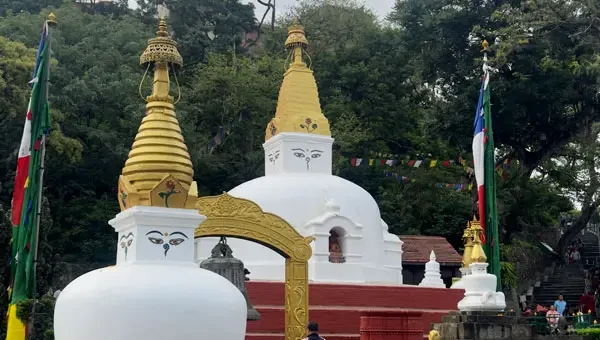
Asar 15 is just one of the many festivals that make Nepal unlike anywhere else. If this day has made you curious about what else Nepal celebrates, these are worth looking at.
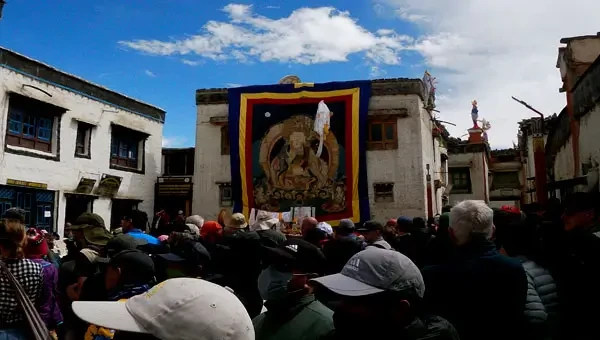
Upper Mustang Tiji Festival
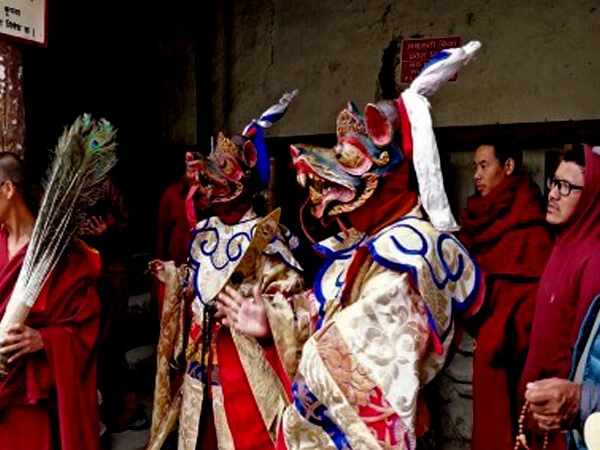
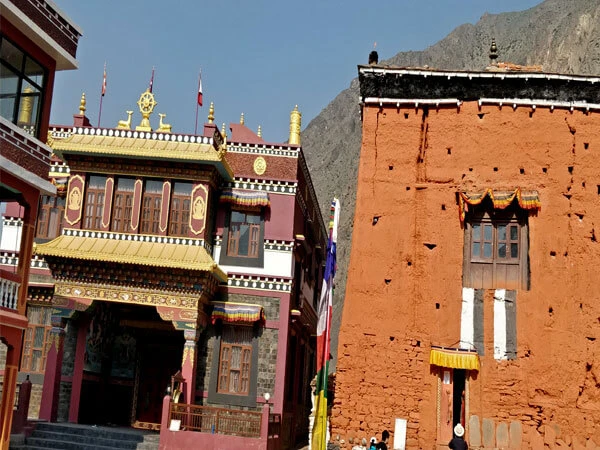
Inside the ancient walled city of Lo Manthang, monks ranked among the top 10 Buddhist priests in the world perform sacred dances that have continued for over 400 years. Very few travelers ever witness it. If this sounds like something you would love, explore everything about the Upper Mustang Tiji Festival Trek 2027 and see why it is worth experiencing at least once in your lifetime.
Dashain Festival Tour in Nepal
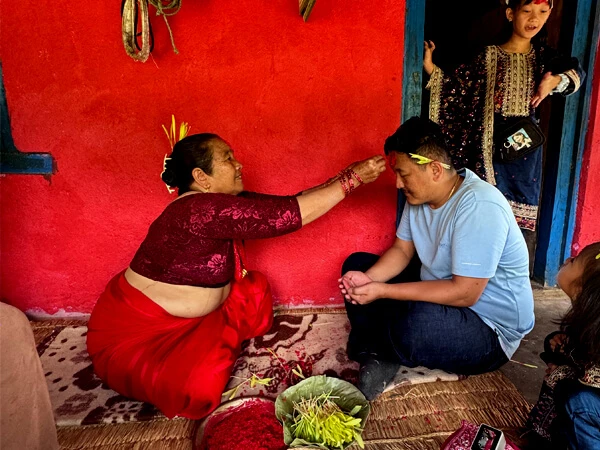
Dashain is the biggest and most celebrated festival in Nepal. For 15 days, the whole country celebrates with rituals, family gatherings, and ancient ceremonies. You receive tika and blessings from elders and experience the festival the way Nepalis have for generations. Explore the Dashain Festival Tour in Nepal and see what this journey includes. You will not regret it.
Mani Rimdu Festival Trek
At Tengboche Monastery, with Mount Everest standing behind it, Buddhist monks perform sacred masked dances that have been practiced since 1938. It is spiritual, rare, and genuinely unforgettable. Explore the Mani Rimdu Festival Trek and see why this is one of the most extraordinary journeys Nepal has to offer.
Sakadawa Festival in Nepal
The holiest month in the Tibetan Buddhist calendar. Pilgrims gather at Boudhanath, Lumbini, and sacred sites across Nepal to offer butter lamps, walk kora, and pray through the night. It is quiet, real, and unlike anything else. Explore the Sakadawa Festival in Nepal and see why it is worth planning your trip around.
Conclusion
Rice Planting Day, also known as Dhan Diwas or National Paddy Day, is one of the most important festivals celebrating Nepal's agricultural and cultural values. It marks the start of the rice planting period and the importance of agriculture to the economy and life of the Nepalese nation.
From farmers planting rice plants in muddy land to families enjoying dahi chiura together at home, the festival unites in honor of Nepal’s agricultural tradition. Asare geet singing, get-togethers, and rice planting ceremonies create a unique mood for the celebrations.
Whether you celebrate Asar 15 in an authentic village setting, in a farming settlement close to Kathmandu, or simply enjoy dahi chiura at home with your loved ones, the festival connects you to Nepal’s heritage and those who grow the food for the country. This is not only an agricultural but a truly national festival.
Whether you are hearing about Rice Planting Day (Dhan Diwas) for the first time or simply want to learn more, this guide will walk you through everything you need to know.