Why Choose the Mani Rimdu Festival Trek?
- Witness the rare and sacred Mani Rimdu Festival at Tengboche Monastery — one of the most important Buddhist festivals in the Himalayas
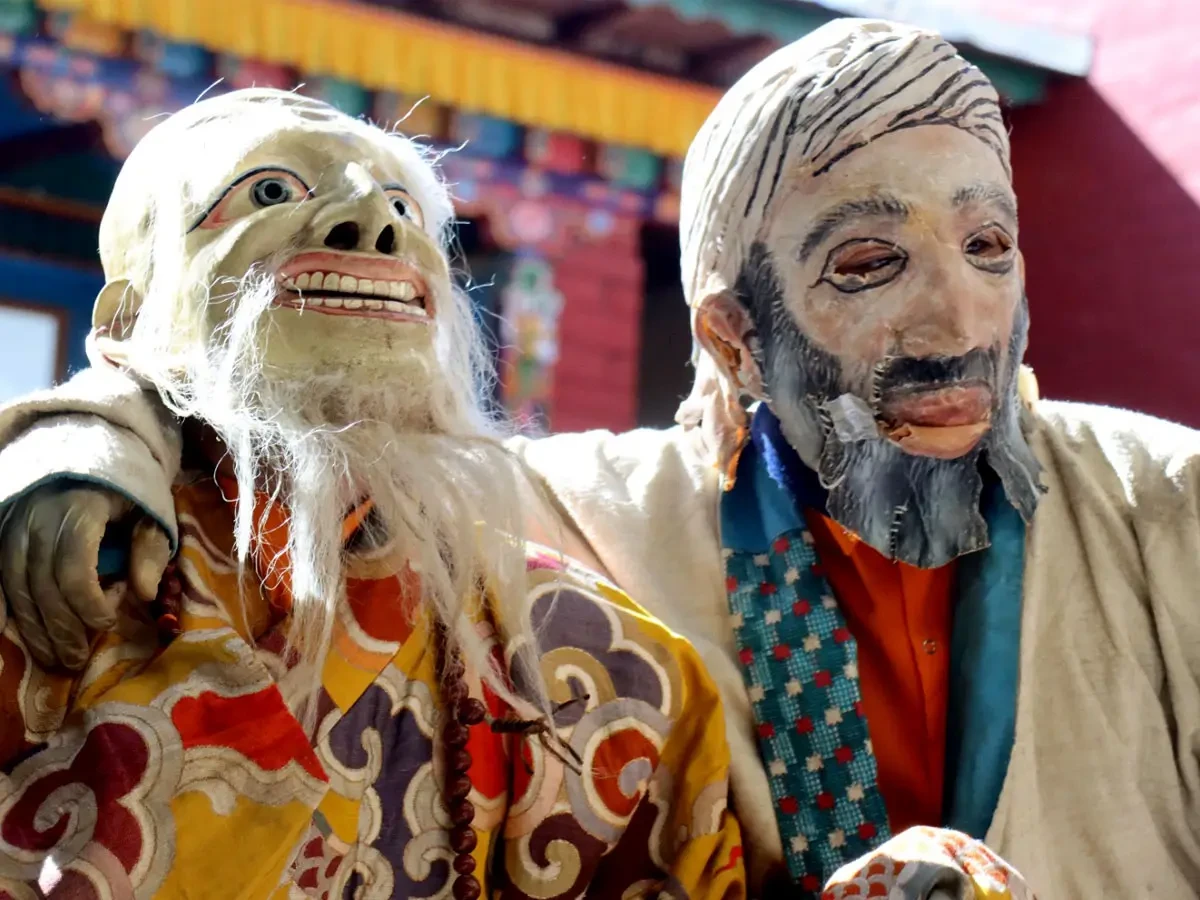
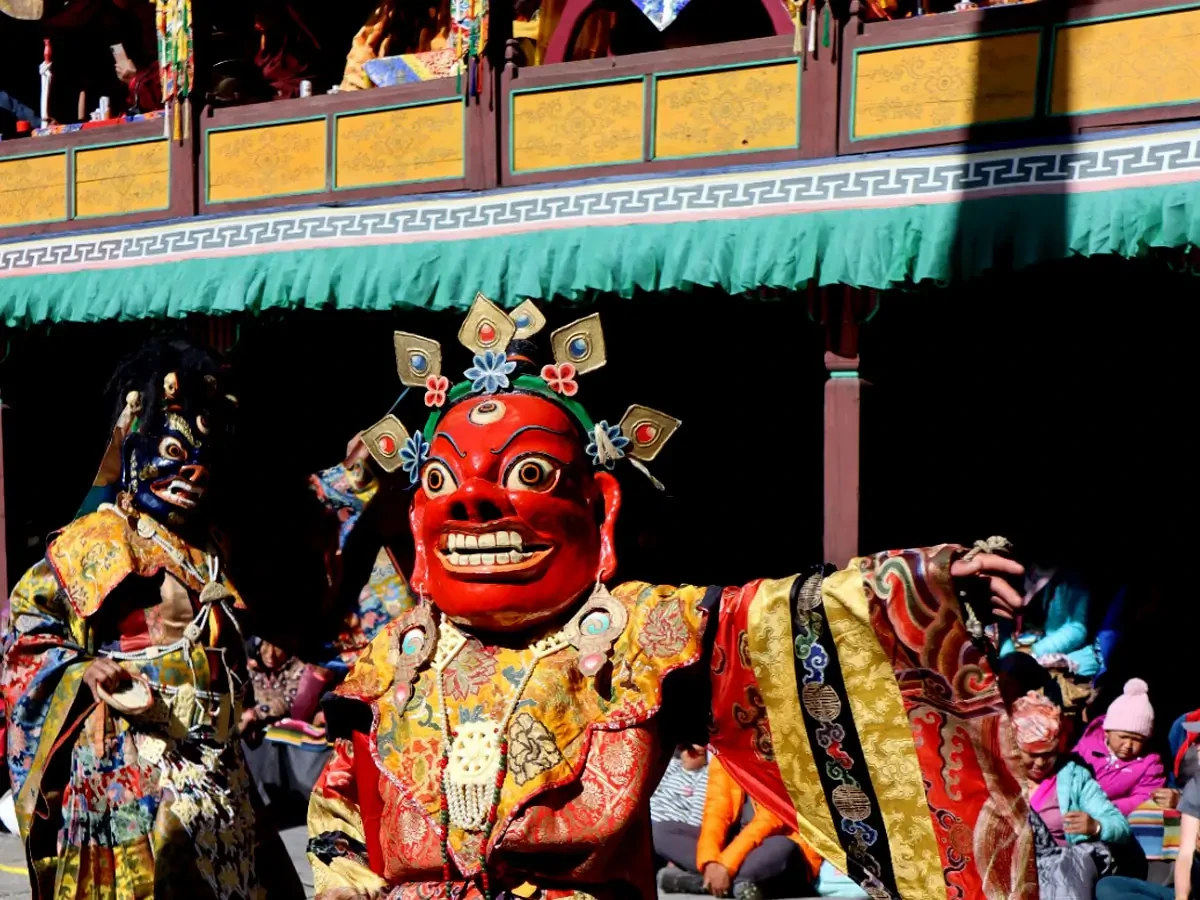
- Experience spectacular Cham masked dances performed by Tibetan Buddhist monks in elaborate costumes
- Trek through Sagarmatha National Park, a UNESCO World Heritage Site
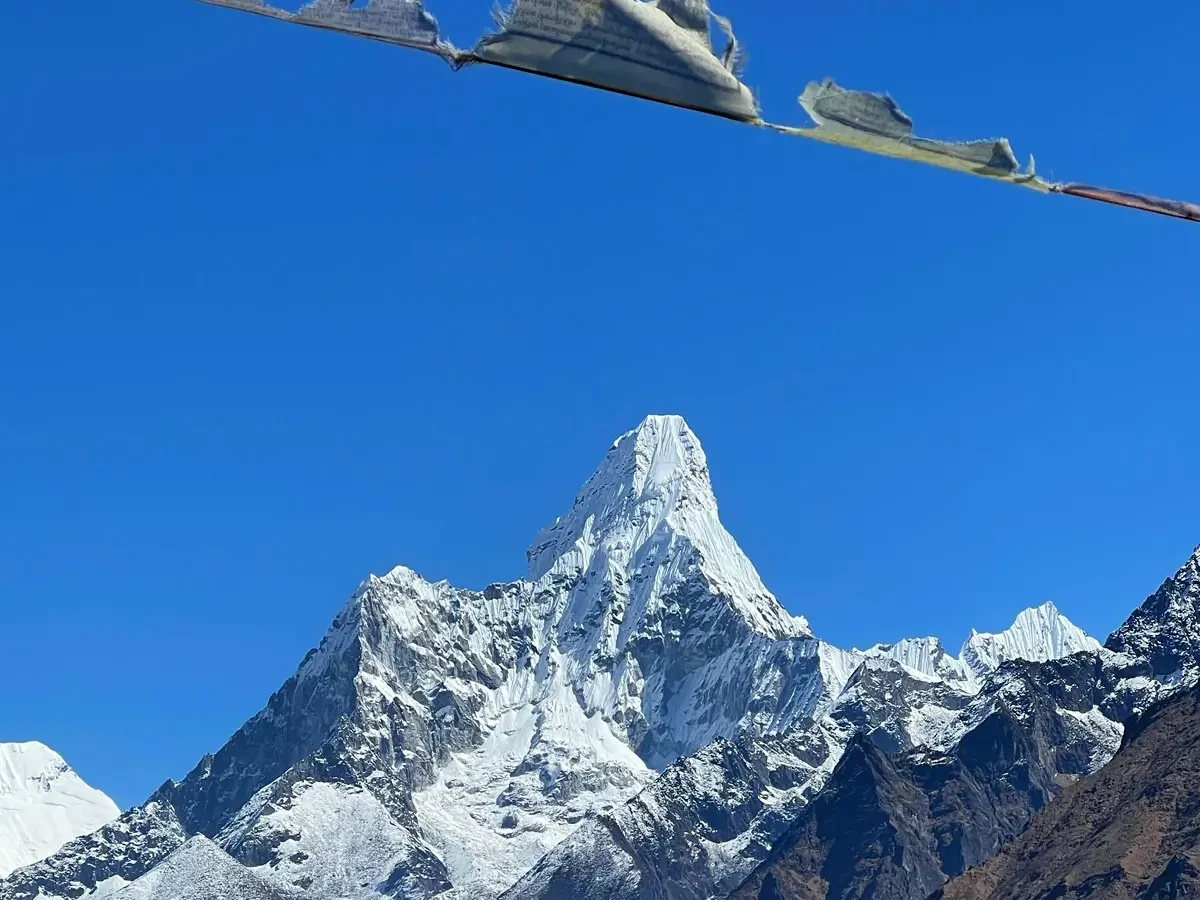
- Enjoy panoramic views of Mount Everest (8,849m), Lhotse (8,516m), Ama Dablam (6,812m), Nuptse (7,861m), and Thamserku (6,623m)
- Explore Sherpa culture and heritage through village visits, monastery interactions, and festive participation
- Walk through fragrant rhododendron and juniper forests in the heart of the Khumbu region
- Receive a sacred blessing (Rilwu) directly from the head lama during the Wong ceremony
- Trek at a moderate pace, ideal for beginners and intermediate trekkers alike
- Capture world-class photography opportunities of festival performances and Himalayan landscapes
- Experience authentic Sherpa hospitality in traditional teahouses along the route
When is the Mani Rimdu festival for the year 2026?
The Mani Rimdu Festival 2026 is determined by the Tibetan lunar calendar and typically falls on the full moon of the ninth Tibetan month, which corresponds to October or November. The festival head lama at Tengboche Monastery officially declares the dates each year. Historically, the Tengboche Mani Rimdu festival 2026 takes place over three days of public celebration, with the primary events on:
Day 1: (Full Moon): Wong, the sacred opening blessing ceremony
Day 2: Chham, the sacred masked dances
Day 3: Jinsak, the Fire Puja, and closing rituals
Based on historical patterns, the Mani Rimdu Festival 2026 is expected in late October 2026. Once Tengboche Monastery officially confirms the dates, Nepal Adventure Team will update this page immediately. Book early to secure your place.
About the Mani Rimdu Festival
The Mani Rimdu Festival is one of the most sacred and culturally significant Sherpa Buddhist festivals in Nepal. It honors Guru Rinpoche (Padmasambhava), the revered Buddhist master who introduced Vajrayana Buddhism to Tibet and the Himalayan regions.
Originating from traditions established by Nagawang Tenzing Norbu in the early 20th century, the festival has been performed at Tengboche Monastery since 1938. It is rooted in the Nyingma sect of Tibetan Buddhism, which forms the spiritual foundation of Sherpa cultural identity in the Khumbu region.
For the Sherpa people, Mani Rimdu is far more than a religious event — it is a living expression of their ancestral heritage, a communal gathering for prayer, and a celebration of the victory of wisdom and compassion over ignorance and negative forces.
History of the Mani Rimdu Festival
The Mani Rimdu Festival has its roots in Tibetan Buddhism and has been celebrated in the Everest region for more than a century. The tradition was introduced by Buddhist lamas, and this has become an important part of Sherpa culture.
Today, the festival continues to preserve ancient Buddhist teachings and traditions while bringing local communities together in celebration and prayer.
Why is Mani Rimdu Important?
Mani Rimdu is much more than a festival. It is a spiritual gathering that promotes peace, compassion, and harmony. Local people believe the ceremonies bring blessings, protection, and prosperity to the community.
For visitors, it offers a rare opportunity to experience the authentic Himalayan Buddhist culture while taking in the incredible beauty of the Everest region.
The combination of sacred rituals, colorful performances, and breathtaking mountain scenery makes the Mani Rimdu Festival Trek one of Nepal's most rewarding cultural adventures.
How the Mani Rimdu Festival is Celebrated
The Chham masked dance during Mani Rimdu represents the spiritual battle between good and evil at Tengboche Monastery. The full 19-day festival follows the Tibetan lunar calendar and runs from the first to the nineteenth day of the ninth Tibetan month. While the entire cycle involves private monastery rituals, the three days of public celebration are when Tengboche Monastery opens its courtyard to visitors, local Sherpas, and trekkers passing through the Khumbu region.
Each day of the public festival carries a specific ceremony. The sequence moves from a formal opening blessing to elaborately choreographed masked dances, and concludes with a fire ritual that formally closes the public observances. Monks prepare for weeks in advance, constructing sand mandalas and rehearsing the dances that have been performed in this region since 1938.
Key Rituals of the Mani Rimdu Festival
Sand Mandala
In the days before the public festival, monks painstakingly construct an intricate sand mandala inside the monastery, a geometric representation of the celestial palace of Garwang Thoze Chenpo, the Lord of the Dance. Sacred Mani Rilwu (blessed medicine tablets) are placed at its center. The mandala is ritually dismantled at the festival's close, with the sand offered to the serpent gods (Nagas).
Wong (The Opening Blessing Ceremony)
Held on the full moon day, Wong is the most spiritually significant ritual of the festival. The head lama distributes Rilwu (blessed pills) and Tshereel pills to all attendees — local Sherpas, pilgrims, and visiting trekkers alike, bestowing blessings for long life, good health, and protection from harm.
Chham (The Sacred Masked Dances)
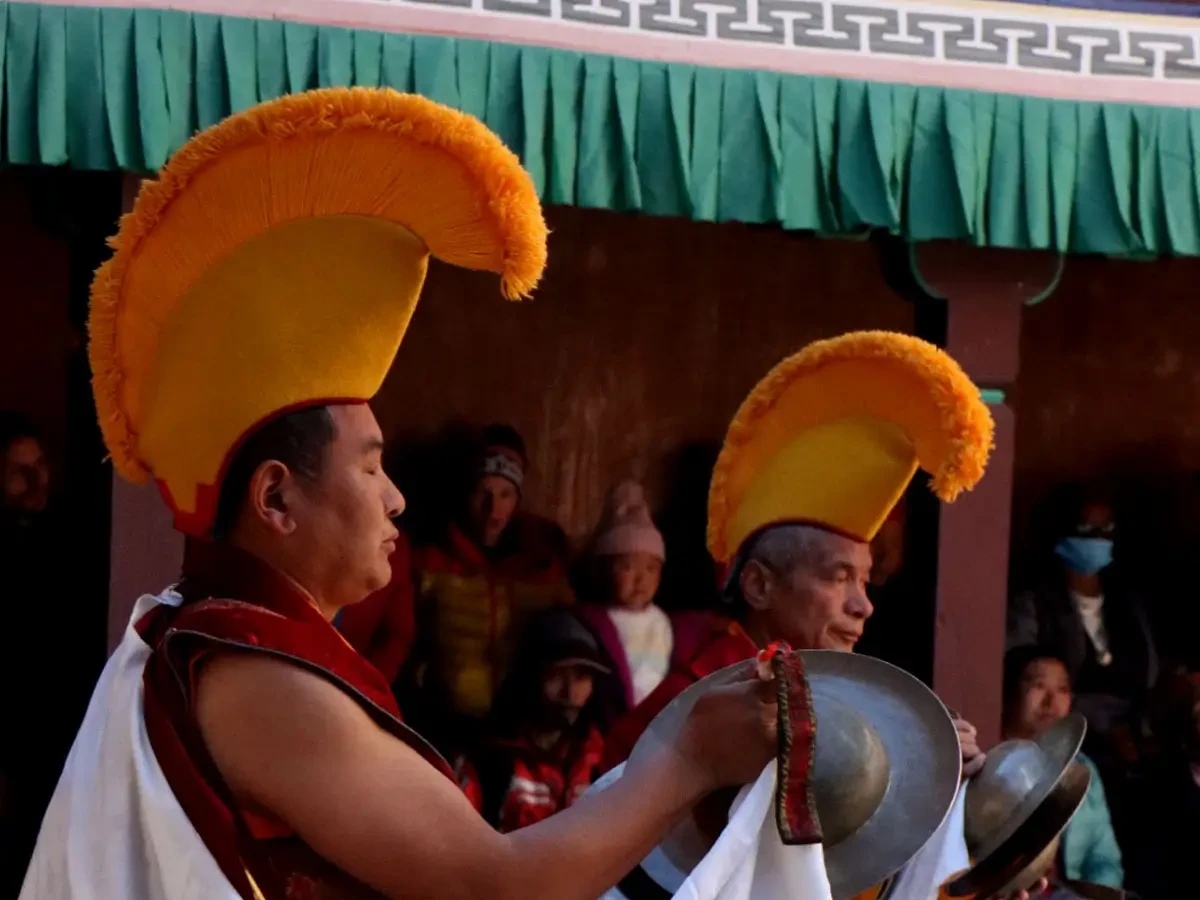
The Chham dances are the most visually spectacular element of the Mani Rimdu Festival. Monks dress in vibrant silk robes and elaborate painted masks depicting deities, demons, animals, and Buddhist protectors. Each dance sequence narrates a story from Tibetan Buddhist scripture, symbolizing the eternal struggle between wisdom and ignorance. The performer is believed to embody the deity of the mask, making the Chham dance a living act of prayer and spiritual protection.
Ser-Kyem (Offering of the Golden Drink)
Ser-Kyem is a ritual offering of a golden beverage to the Dharma Guru, lamas, and Dharma protectors. Presented in a two-tiered ceremonial vessel, this ritual strengthens the spiritual community and honors the lineage of teachers who have preserved the festival's traditions.
Chhingpa (The Protectors of the Faith)
Four Ghings (protective figures) perform the Chhingpa dance wearing colorful paper masks. Two male Ghings carry cymbals representing skillful means; two female Ghings carry drums representing wisdom. Their union in dance symbolizes the joining of compassion and wisdom on the path to enlightenment.
Jinsak (The Fire Puja)
The Fire Puja closes the public festival. Offerings are made to Agni (the fire god) and the Mandala deities to neutralize accumulated negative karma, restore community peace, and invite prosperity for the coming year.
Mani Rimdu Festival Trek - 14 Days
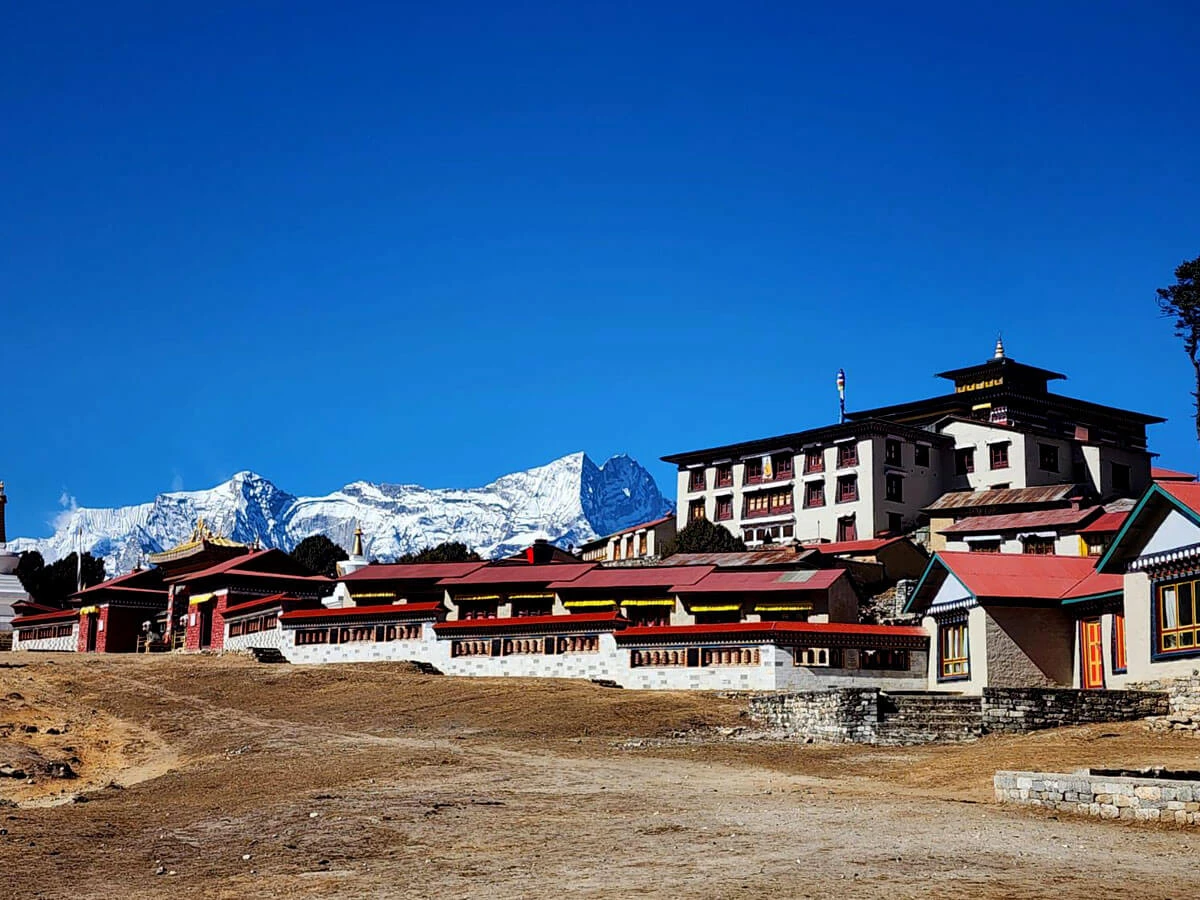
The Mani Rimdu Festival Trek is one of the most unique cultural trekking adventures in Nepal. This special journey combines the beauty of the Everest Base Camp trek region with the vibrant Mani Rimdu Festival, a sacred Buddhist celebration held every year at Tengboche Monastery (3,867m).
The trek begins with a scenic flight to Lukla (2,840m), followed by a journey through traditional Sherpa villages, lush forests, suspension bridges, and breathtaking mountain landscapes. Along the way, trekkers enjoy magnificent views of Mount Everest (8,849m), Lhotse (8,516m), Ama Dablam (6,812m), Nuptse (7,861m), and Thamserku (6,623m).
The highlight of the trek is attending the famous Mani Rimdu Festival at Tengboche Monastery. During the festival, Buddhist monks perform sacred rituals, colorful masked dances, prayers, and blessing ceremonies. Local Sherpa communities gather to celebrate, creating a lively and spiritual atmosphere in the heart of the Himalayas.
Beyond the festival, the trek offers a wonderful opportunity to learn about Sherpa culture and traditions. Visitors can explore ancient monasteries, interact with local families, and experience the warm hospitality of the Khumbu region.
Whether you are interested in culture, spirituality, photography, or mountain scenery, the Mani Rimdu Festival Trek provides an unforgettable Himalayan experience.
Mani Rimdu Festival Trek Highlights
- Witness the sacred Mani Rimdu Festival at Tengboche Monastery.
- Experience colorful Buddhist masked dances (Cham Dances).
- Trek through the beautiful Everest region and Sherpa villages.
- Enjoy spectacular views of Everest, Ama Dablam, Lhotse, Nuptse, and other Himalayan peaks.
- Visit the famous Tengboche Monastery, the spiritual center of the Khumbu region.
- Learn about Sherpa culture, traditions, and Buddhist practices.
- Explore Sagarmatha National Park, a UNESCO World Heritage Site.
- Experience traditional Buddhist blessing ceremonies and rituals.
- Walk through rhododendron forests, mountain valleys, and suspension bridges.
- Capture stunning Himalayan landscapes and cultural moments.
Why Trek with Nepal Adventure Team?
Nepal Adventure Team is a government-registered, licensed trekking company based in Kathmandu with years of experience organizing treks in the Everest region. Our team is passionate about delivering safe, responsible, and culturally enriching Himalayan experiences.
- Government-licensed, experienced guides and crew
- Small group sizes for personalized service
- Transparent pricing with no hidden costs
- 24/7 in-country support
- Sustainable and responsible trekking practices
- Deep respect for local Sherpa culture and monastery traditions
Ready to witness the Mani Rimdu Festival in the shadow of Everest? Contact Nepal Adventure Team today to check 2026 availability and receive a customized trip quote.