Introduction: Culture, Tourism and Buddhist Heritage of Nepal and India
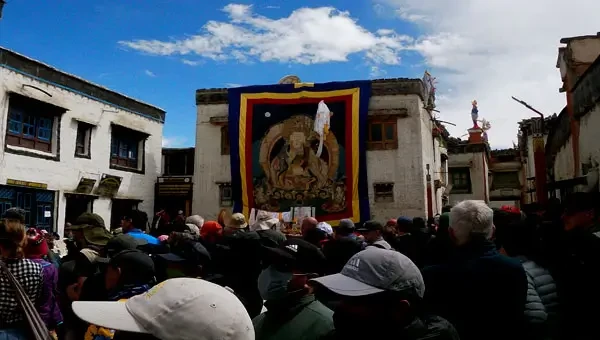
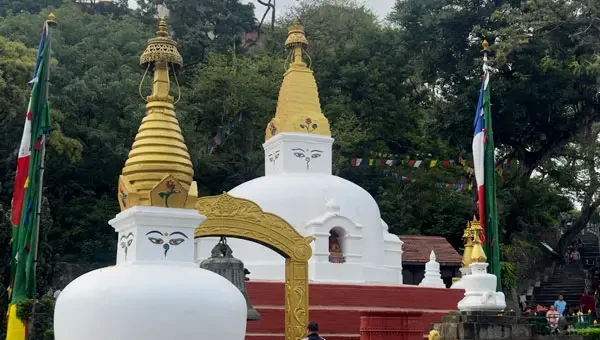
Nepal and India share a deep rooted relationship in cultural practices, language, festivals and religious traditions. For many years, people have been travelling between these two countries to explore religious temples, monasteries, sacred rivers and different heritage sites. Nepal and India are connected through shared Buddhist heritage. Nepal is the birthplace of Gautam Buddha, Lumbini which is one of the world’s most recognised Buddhist pilgrimage destinations. In India, Buddha achieved enlightenment in Bodh Gaya and gave his first sermon in Sarnath.
Nepal is worldwide famous for its Hindu and Buddhist pilgrimage sites like Pashupatinath Temple, Janakpur, Muktinath and many more religious destinations. India as well contains many significant religious destinations related to Hinduism and Buddhism including Ayodhya, Varanasi, Bodh Gaya, Sarnath, and Kushinagar. Travellers can explore and experience different sacred places in both countries within a single trip. This shared culture, tourism and Buddhist heritage is an important pillar of bilateral tourism cooperation. The Joint Vision Document between Nepal and India offers connectivity, shared spiritual heritage and tourism opportunities.
Nepal-India Tourism Partnership Under a Joint Vision Document
During the visit of the Prime Minister of Nepal, Balendra Shah to India, the two leaders accepted a Joint Vision Document titled Viksit Bharat and Samunnat Nepal: Re-imagining the Partnership. The joint vision is accepted by both leaders to transform the Nepal India relationship into an effective partnership that gives overall benefits to both countries.
The Nepal-India tourism partnership focuses on economic development, connectivity, energy, technology, education, sports, healthcare, culture and tourism. The document outlines a roadmap for the future of the bilateral partnership which contains ten pillars.
- Comprehensive Economic and Development Partnership
- Physical and Digital Connectivity
- Energy, Water Resources and Climate Resilience
- Good Governance
- Technology, Space and Innovation
- Education and Skill Development
- Sports
- Culture and Tourism
- Health
- Agriculture
The eighth pillar is culture and tourism which aims to promote religious tourism, develop new sacred destinations and strengthen the relationship between the two countries. This pillar gives tourism opportunities for local communities.
The Eighth Pillar: Culture and Tourism
The shared cultural heritage helps to build stronger tourism connections between Nepal and India. Under the eighth pillar of the joint vision document, two leaders have decided to partner in the development of religious tourism circuits and new destinations.
- Janakpur–Ayodhya: Ramayana Circuit
- Lumbini–Bodh Gaya–Sarnath–Kushinagar: Buddhist circuit
- Kathmandu (Pashupatinath Temple) –Varanasi: Shiv–Shakti Circuit
Both the leaders accepted the launch of direct express train service between Ayodhya and Janakpur and opening new air routes for easy access. The document includes organizing an annual young cultural festival alternatively in both countries and expanding opportunities for content creators and social media influencers to promote tourism. It offers collaboration between Nalanda University and Lumbini Buddhist University through the establishment of a Nalanda centre at LBU. They also agreed to facilitate collaboration among young entrepreneurs in tourism and hospitality. This pillar gives an opportunity for heritage experience, educational tours, cultural travel and many more to locals of both countries.
Three Proposed Religious Tourism Circuits Connecting Nepal and India
1. Janakpur–Ayodhya: Ramayana Circuit
The Ramayana circuit is one of the proposed religious tourism circuits between Nepal and India. It connects two religious destinations related to the Ramayana, Janakpur in Nepal and Ayodhya in India. Janakpurdham is the birthplace of Mother Sita and
Ayodhya is the birthplace of Lord Ram. A new Ayodhya–Janakpur train service is set to connect these two destinations. This service helps to improve access for devotees and create religious tourism opportunities. The Sarya Kamala Express was welcomed by both prime ministers on November 23, 2026. This strengthened the religious and cultural bridge between Nepal and India. For travelers who are interested in religious and cultural tourism, this circuit is a great opportunity to visit two sacred destinations in one journey.
Major destinations in the Ramayana circuit
Janakpur
Janakpur is one of the most culturally significant destinations in Nepal. In the Ramayana, Janakpur is the city of King Janak. Sita was born here and married Ram. The main destination is Janaki Mandir, which is a magnificent temple dedicated to Sita. It is beautifully decorated with colourful architecture. Janakpur is well known for its temples, ponds, Mithila arts and vibrant colors. It holds special significance among Indian travelers. Visitors can explore Janaki Mandir, Ram Mandir, Dhanush Sagar and other religious places.
Ayodhya
Ayodhya is the birthplace of Lord Rama which is an important Hindu pilgrimage destination. It is regarded as the first of the seven most important pilgrimage sites for Hindus. The city consists of many temples, ghats and religious sites associated with the Ramayana traditions. Travelers can witness Ram Mandir, Hanuman Garhi, Saryu River ghats and other sacred destinations.
Planned Ramayana Circuit Itinerary
Day 01: Arrival in Janakpur
Day 02: Janakpur Cultural and Religious Exploration
Day 03: Janakpur to Ayodhya
Day 04: Ayodhya Pilgrimage
Day 05: Departure
2. Lumbini–Bodh Gaya–Sarnath–Kushinagar: Buddhist circuit
The Buddhist circuit connects many sacred destinations where Lord Buddha was born and attained Enlightenment. Lumbini in Nepal is the birthplace of Gautam Buddha. India has many destinations that are associated with his teachings and enlightenment. Lumbini, Bodh Gaya, Sarnath and Kushinagar are the primary pilgrimage destinations of this Buddhist circuit. The greatest spark to Buddha's teachings came from the Indian King Ashoka who went on great pilgrimage places visiting the important sites that are connected with his life, in the Footsteps of Lord Buddha. Devotees often call these the Chaar Dham of Buddhism. Travelers can sense the Buddha’s life during this journey. The Buddhist circuit is ideal for spiritual seekers who want peace, wisdom and religious heritage across Nepal and India.
Major destinations in the Buddhist circuit
Lumbini
Lumbini is the birthplace of Gautam Buddha which is filled with serene gardens and ancient temples. The sacred garden, the Mayadevi temple, the Pushkarini pond and the Ashoka pillar are the main attractions for pilgrims. Queen Maya bathed in the Pushkarini pond before giving birth to Gautam Buddha. Visitors can discover many monastic zones and monasteries representing different Buddhist countries in their own style of arts and architecture.
Bodh Gaya
Bodh Gaya is in Bihar, India where Gautam Buddha found enlightenment under the Bodhi tree after meditating for 49 days. Mahabodhi Temple and the Bodhi Tree are the main religious attractions of Bodh Gaya. The Animeshlochana Chaitya, the Ratnachankramana, the Ratnagaraha and the Ajapala Nigrodha Tree are other destinations where visitors can explore more.
Sarnath
Buddha delivered his first sermon at Sarnath, India after enlightenment. This religious site includes monasteries, the Dhamek Stupa, archaeological remains and museums showing Buddhist history. Buddha established his first disciples to promote his new doctrine at Sarnath.
Khushinagar
Khushinagar is the place where Buddha fell ill and left the world. It is associated with Buddha’s Mahaparinirvana. This destination is famous for the Mahaparinirvana Temple and Ramabhar Stupa. His mortal remains were preserved in eight distinct monuments which are known as eight commemorative Chortens.
Planned Buddhist Circuit Itinerary
Day 01: Arrival in Lumbini
Day 02: Lumbini Exploration
Day 03: Lumbini to Bodh Gaya
Day 04: Bodh Gaya Pilgrimage
Day 05: Bodh Gaya to Sarnath
Day 06: Sarnath Exploration
Day 07: Sarnath to Kushinagar
Day 08: Departure
3. Kathmandu (Pashupatinath Temple) –Varanasi: Shiv–Shakti Circuit
The Shakti circuit connects the Pashupatinath temple of Kathmandu in Nepal with Varanasi in India which are two of the significant religious destinations in the Hindu region. This circuit connects 12 powerful Shiva temples across the Kathmandu Valley. The Pashupatinath temple is situated on the banks of the Bagmati River. It is the holiest temple in Nepal dedicated to Lord Shiva. Varanasi is famous for its ancient temples, sacred ghats, spiritual rituals, and connection with the River Ganga. Both sacred sites have significant religious, cultural, and spiritual importance. This spiritual journey provides a religious and cultural experience. It is the combination of Nepal’s religious heritage with India's sacred city.
Major destinations in Shiv–Shakti circuit
Kathmandu
Pashupatinath Temple is the major religious destination for Hindu devotees from Nepal, India, and other countries. The Pashupatinath temple is busiest during the Maha Shivaratri festival with tourists and pilgrims. The Pashupatinath Temple was inscribed as a UNESCO World Heritage Site as part of the Kathmandu Valley cultural property. Guyeshwori is a Shakti Peeth which is near the Pashupatinath temple. Travelers can also explore surrounding heritage areas and other cultural sites in Kathmandu.
Varanasi
Varanasi is a city on the Ganges River in northern India, well known for its spiritual traditions, ancient temples, ghats and religious heritage. It is also known as Kashi, which is one of the holiest cities in Hinduism. Devotees believe that dying in Varanasi and scattering the ashes of deceased loved ones in the Ganges River offers liberation. The city is the centre of arts, crafts, music, learning and dance. The popular landmarks in Varanasi are Vishvanatha Temple, Sankatmochana Temple, Durga Temple, the Ganges River and many other destinations.
Planned Shiv–Shakti Circuit Itinerary
Day 1: Arrival in Kathmandu
Day 2: Pashupatinath and Kathmandu Heritage
Day 3: Kathmandu to Varanasi
Day 4: Varanasi Pilgrimage and Heritage
Day 5: Departure
How the New Tourism Cooperation Can Create Opportunities
Nepal’s tourism sector can be promoted through the agreements reached by the Prime Minister of Nepal, Balendra Shah and the Prime Minister of India, Narendra Modi. This agreement can boost tourism and trade between Nepal and India. They believe an expanded tourism circuit can create more opportunities and more tourists can visit Nepal.
- Growth of cross border tourism
A Nepal-India tourism partnership can make traveling between these two countries more convenient and accessible through direct express train service, road transportation and air routes. Travelers can visit different religious destinations of both countries within a single journey. It can attract Indian pilgrims, international travelers, and many religious groups.
- Promotion of cultural, religious and spiritual Tourism
The promotion of Ramayana, Buddhist, and Shiv–Shakti tourism circuits can be an ideal choice for religious and spiritual visitors. Many sacred destinations across Nepal and India are included in this circuit. Janakpur, Ayodhya, Lumbini, Bodh Gaya, Sarnath, Kushinagar, and Pashupatinath carry significant historical importance among pilgrims. Travelers can explore religious and spiritual landmarks of both countries.
- Opportunities for travel agencies
Travel agencies can make new packages by combining different religious destinations of Nepal and India. Travel businesses can get more opportunities to collaborate with tourism partners across the border and can expand their services. Travelers can do pilgrimage tours, cultural heritage journeys and also customize the itinerary.
Tourism cooperation creates job opportunities for local guides, drivers, hotel workers, restaurant staff and many other service providers. Many people depend upon tourism for their livelihood. Tourism also supports local and small businesses that sell handicrafts, local products and traditional foods.
- Growth of hospitality businesses
The increased tourism requires accommodation, restaurants, resorts, guesthouses, and hospitality services. Travelers stay overnight at different destinations and have meals. This helps to grow hospitality businesses in the tourism sector. Visitors also get the opportunity to experience each other's traditions, culture and warm hospitality.
- Appealing to international tourists
The combination of religious and cultural destinations of Nepal and India can be appealing to international tourists. It can encourage them to explore these landmarks in one journey. Travelers spend more time discovering different sites which include historical monuments, spiritual sites and diverse cultural experiences.
- Digital promotion and tourism marketing
The Joint Vision Document encourages familiarization visits for influencers and content creators to promote two-way tourism. People can get wider reach through travel videos, blogs, social media and cultural storytelling. Tourism businesses can get advantage by creating meaningful information about circuits, itinerary and destination experiences.
Conclusion
The Nepal-India tourism partnership creates a great opportunity to share cultures, traditions, and sacred destinations between the two countries. It converts connections between two countries into a meaningful travel experience. The eighth pillar, Culture and Tourism of the Joint Vision Document: both prime ministers of Nepal and India commit to strengthening religious tourism, promoting cultural exchange, and exploring new tourism opportunities between the two nations. The proposed Ramayana, Buddhist, and Shiv–Shakti circuits have connected major religious destinations across Nepal and India. The agreement encourages tourists to experience this combined journey filled with heritage, spirituality, traditions, and cultural diversity. It can serve as a foundation for future tourism growth and opportunity for travellers and tourism businesses.