Most people think Nepal trekking shuts down in summer, but that is far from the truth. While monsoon rains drench the lower hills, high-altitude rain-shadow destinations like Upper Mustang, Nar Phu Valley, and Dolpo stay surprisingly dry, clear, and crowd-free. This is Nepal's best-kept secret for trekking. Trails are peaceful, teahouses welcome you with open rooms, and prices drop significantly compared to peak season. The landscapes are breathtaking, with thundering waterfalls, emerald valleys, and dramatic Himalayan skies that no other season can offer. Routes like the Poon Hill Trek suit beginners, while Upper Dolpo and Limi Valley challenge seasoned adventurers. The only rule is to come prepared, with waterproof gear, leech socks for lower trails, a licensed guide, and the right permits, as they make all the difference. Summer in Nepal is not the wrong time to trek. It might just be the best time.
Why is Summer Trekking in Nepal Best for You?
Summer in Nepal, which includes June, July, August, and Mid-september is the monsoon season. During Monsoon the lower parts of Nepal are warm and humid. It rains a lot, which makes everything feel fresh. The higher parts of the Himalayas are cooler, and the sky is clearer. The hills and the lower parts of the mountains receive rain frequently. This makes some trails slippery and sometimes hard to walk on. The weather can change quickly, with sudden rain showers or valleys filling with mist, which can delay travel or flights in some areas. On trails below 3,000m, expect dense forest, vibrant wildflowers, and leeches, particularly after rain. Leech socks are strongly recommended.
However, off-season trekking in Nepal during summer is not impossible; In fact, it can be very enjoyable. Summer trekking in Nepal is not a compromise — it is a different kind of Himalayan experience. Here is what makes it worth choosing:
Trails are quiet. Peak-season crowds are gone. You can walk entire ridgelines without passing another trekker.
Teahouses are available. No booking needed — pick any lodge along the trail, get a private room, and receive the full attention of local hosts.
Prices are lower. Teahouse rates drop 10 to 20% in the off-season, and some operators reduce package prices significantly.
Nature is at its most dramatic. Waterfalls that barely trickle in autumn thunder down cliff faces at full force. Valleys bloom with wildflowers. Rice paddies glow emerald.
Rain-shadow treks are genuinely dry. Upper Mustang, Dolpo, and Nar Phu lie behind the Himalayan barrier and receive minimal rainfall even in the peak monsoon.
Photography is exceptional. Soft monsoon light, dramatic cloud formations, and saturated green colours create striking images that clear-sky seasons cannot match
Monsoon Tip: Start hiking by 6 am. In most regions, mornings are clear, and skies are open by midday. Use afternoons to rest in teahouses while the rain passes.
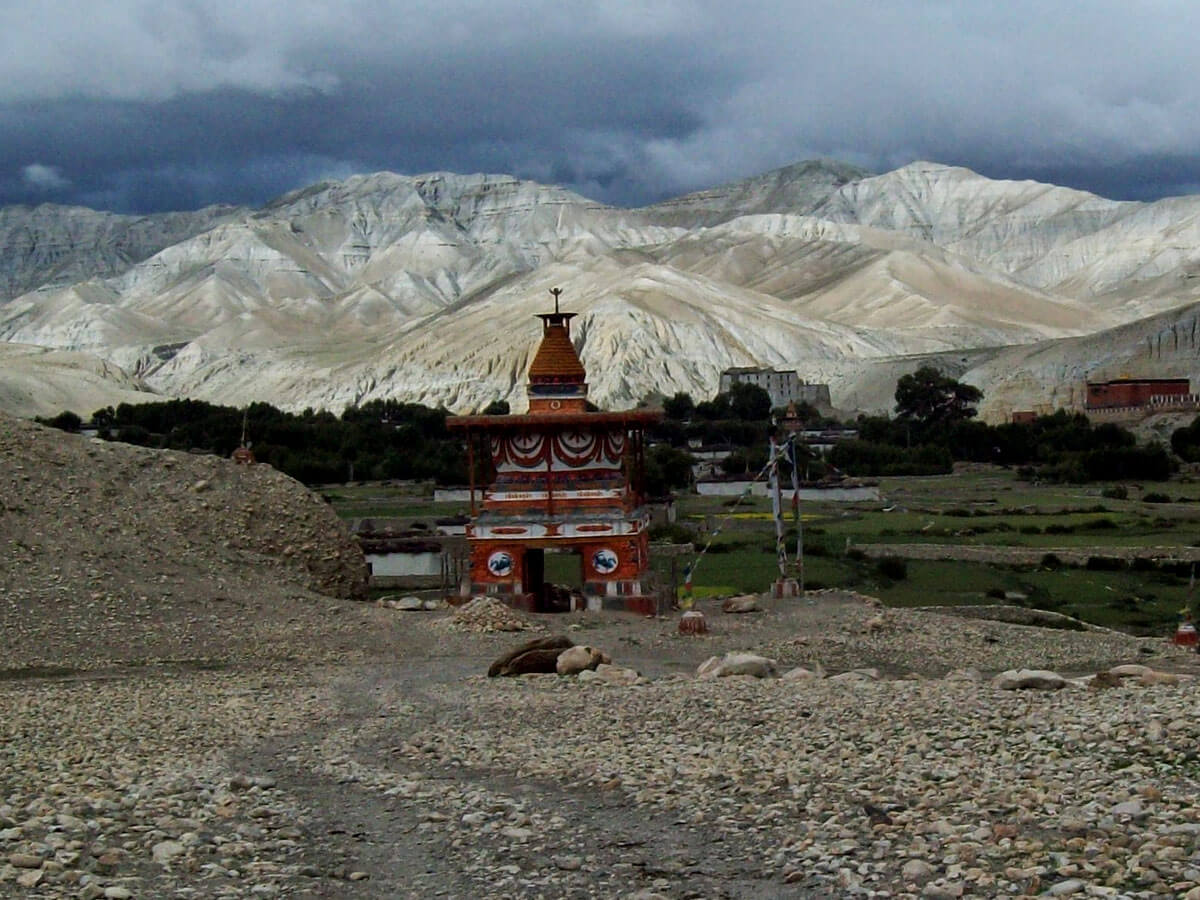
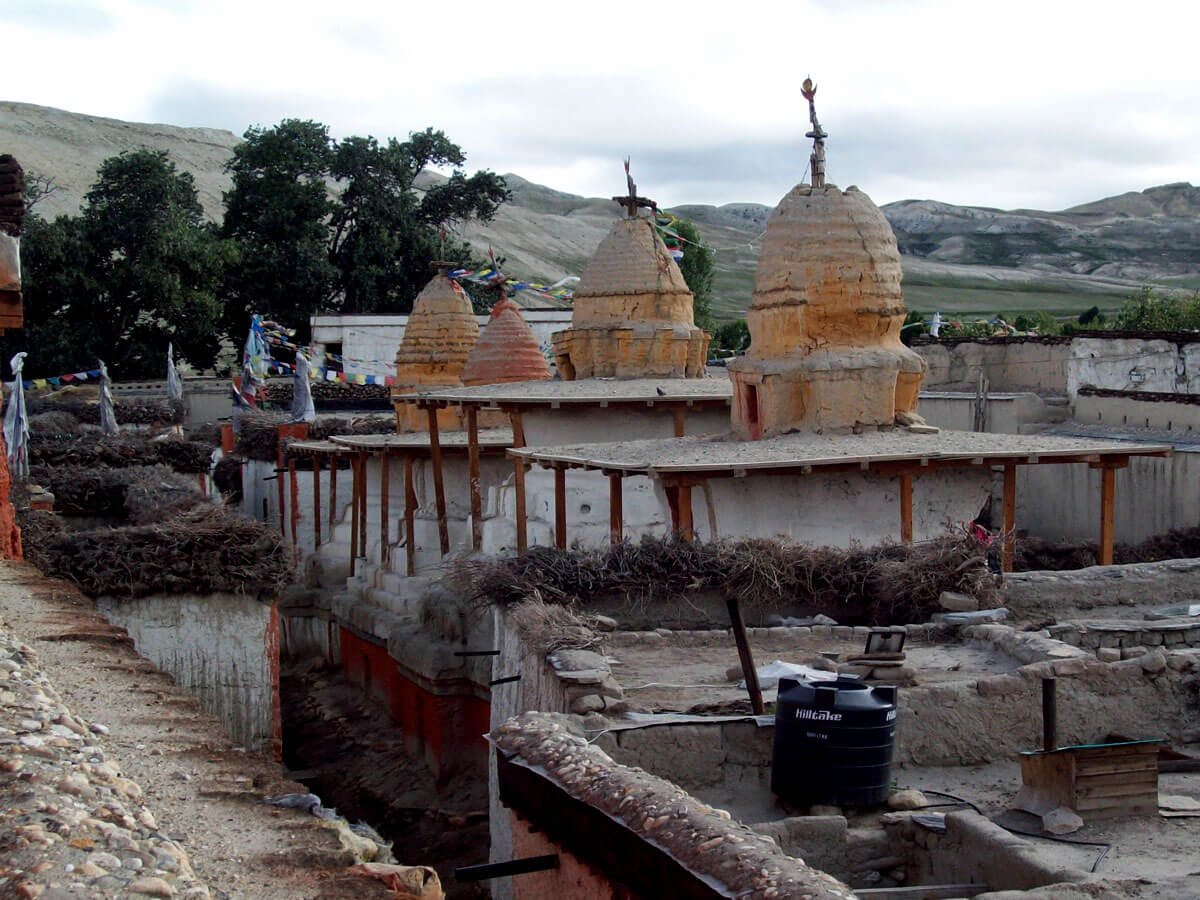
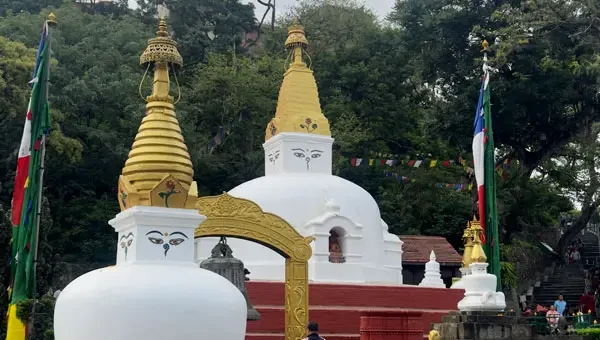
Mani Stupa in Upper Mustang
What is the Best Trek in Nepal for the Summer (Monsoon Season)?
Upper Mustang Trek
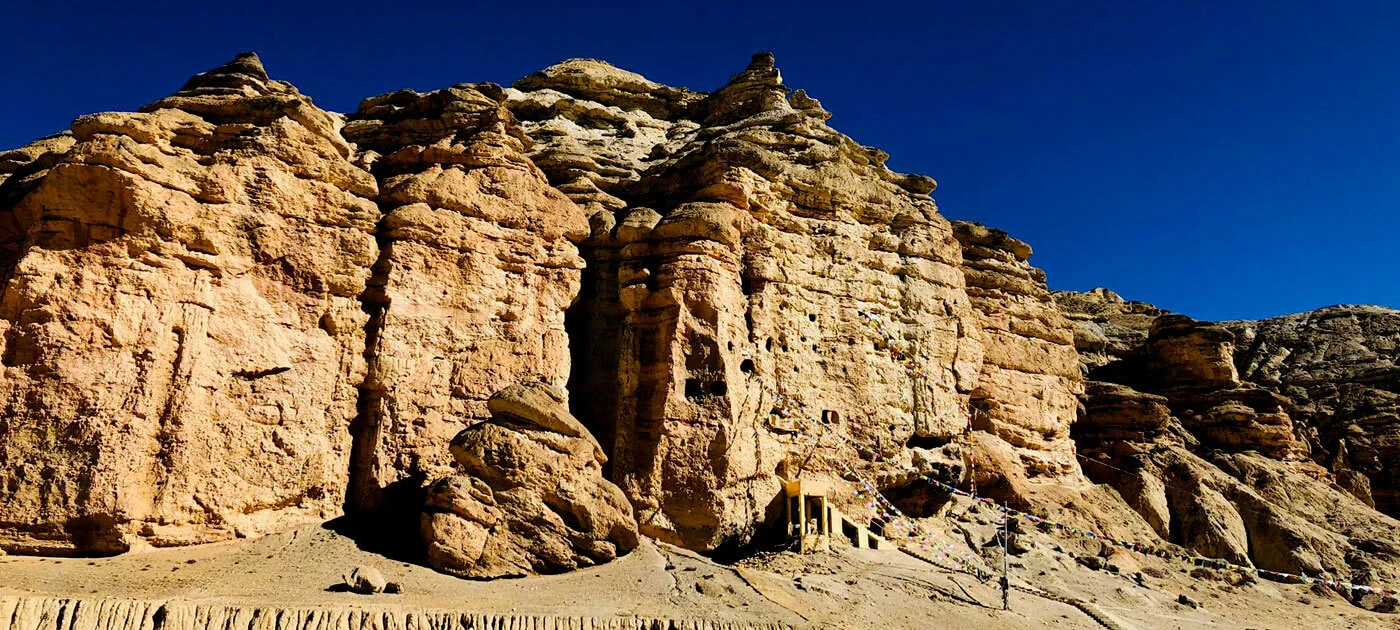
The Upper Mustang Trek is the definitive monsoon trek in Nepal. Sheltered behind the Annapurna and Dhaulagiri ranges, Mustang sits in a high-altitude rain shadow that receives barely 30mm of rain in July — the driest month in Pokhara, by contrast, delivers over 900mm. The result is clear skies, dry trails, and dramatic landscapes of eroded red cliffs, wind-sculpted caves, and centuries-old monasteries, while the rest of Nepal is soaked. Kagbeni is the main gateway to the Upper Mustang trek. This place is also the starting point for the Upper Mustang Restricted Area. You will need a Restricted Area Permit to enter the Upper Mustang region. At Kagbeni, your permit is checked for further inspection.
The 17-day route travels from Jomsom through Kagbeni, Chele, Syangboche, Ghami, and Tsarang to Lo Manthang — the walled medieval capital that remained closed to the outside world until 1992. Along the route, trekkers pass cave monasteries dating to the 8th century, interact with Tibetan-speaking Lo-ba communities, and walk beneath an almost permanently blue sky. The Tiji festival is one of the important festivals of mustang region. It is a 3-day festival celebrated by Tibetian Buddhist Community annually at Lo Manthang, the ancient walled capital of Upper Mustang, Nepal. Savor the chance to experience the culture of Lo Manthang during the Tiji Festival. Join our Upper Mustang trekking package during the Tiji festival. Experience the Himalayan desert cave and the last village of Nepal bordering China. We also offer various packages, including Upper Mustang Horse Riding, Upper Mustang Heli Flight, Upper Mustang Jeep Tour, and Upper Mustang Bike Tours.
Nar Phu Valley Trek
Nar Phu Valley is one of Nepal's most remote and rewarding trekking destinations, and it is perfectly suited to the monsoon season. Nestled in a rain-shadow corridor behind the Annapurna massif, the valley receives significantly less rainfall than its surrounding areas, making the trails safe and the views clear throughout the summer months. Explore the Tibetan-influenced lifestyles and activities of the typical denizens. Savor the chance to experience and interact with the 2nd-oldest civilization of Nepal.
The 18-day route begins near Koto on the Annapurna Circuit and penetrates deep into the hidden Nar and Phu villages — ancient Tibetan-style settlements where traditional mountain culture survives almost unchanged. You will need a Restricted Area Permit to enter the Nar and Phu Valley. You will also need the Annapurna Conservation Area permit to enter this region. Always carry the permit while trekking. Nar Gompa and Phu Gompa are the ancient monasteries that depict the Tibetan history. The trail features narrow canyons, Buddhist gompas, yak pastures, and the option to cross the challenging Kang La Pass (5,320m) into Manang. During the return journey, you can have multiple tour options in which the trek can either loop back to the Annapurna Circuit or continue toward the Tilicho Lake. Both option delivers beutigul view.
Kailash Manosarovar Tour from Nepal
Mount Kailash (6,638m) in Tibet is considered the most sacred mountain on earth, holy to four religions: Hinduism, Buddhism, Jainism, and Bon. Pilgrims travel from across the world to circumambulate (kora) its base, a 52km circuit at altitudes between 4,600m and 5,630m, believing the journey brings spiritual purification and liberation.
This Kailash Tibet tour departs Kathmandu by road, crosses into Tibet via the Kerung border, and reaches Lake Manasarovar and Mount Kailash. The entire region sits in the trans-Himalayan plateau, far north of the monsoon belt, and remains dry and accessible throughout summer. This tour is conducted by jeep with guided support and runs in small groups. You will need a permit from Tibet to enter the Kailash Manasarovar region. This permit can only be obtained from a registered travel agency. We will need your password and some details for accquring permit. Give us prior information before booking the trip. This will give us time to manage your permit and create a soothing travel according to your comfort.
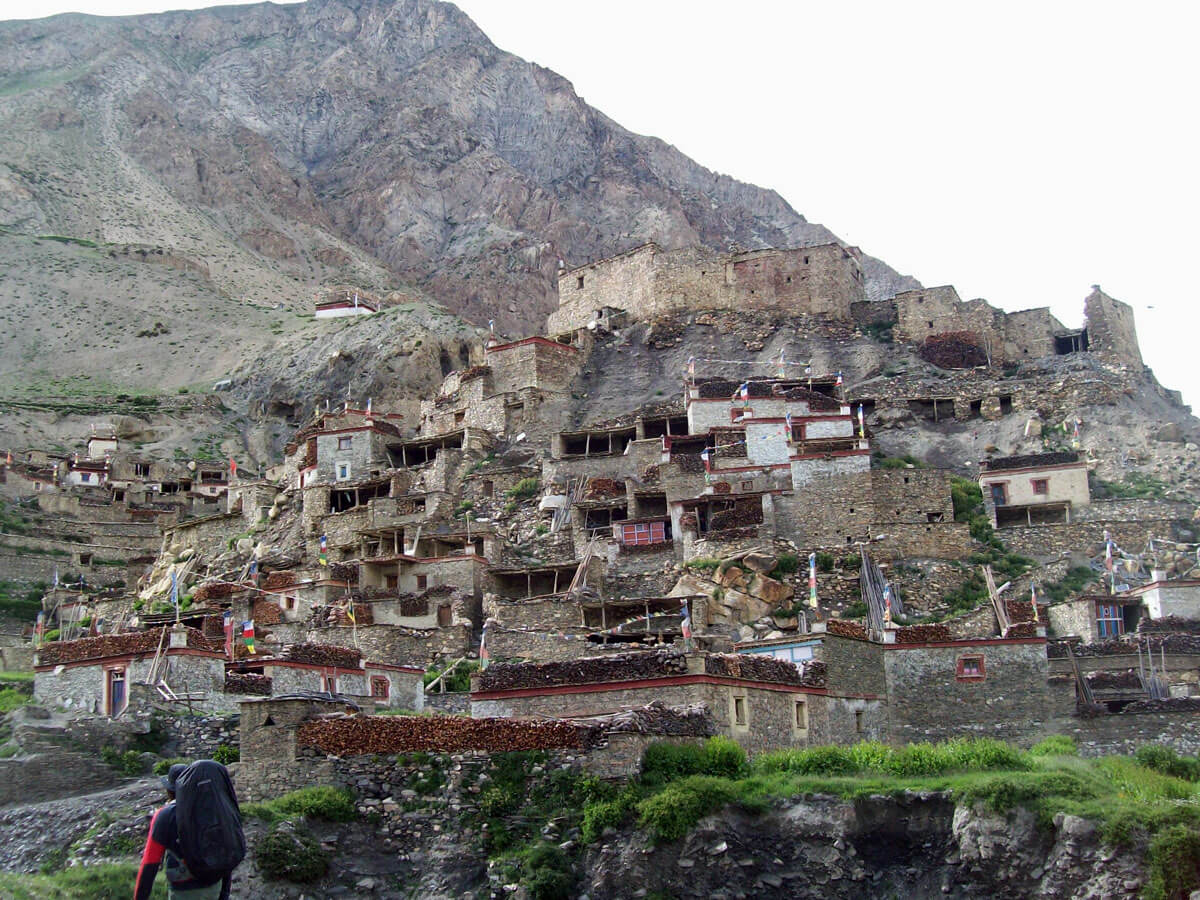
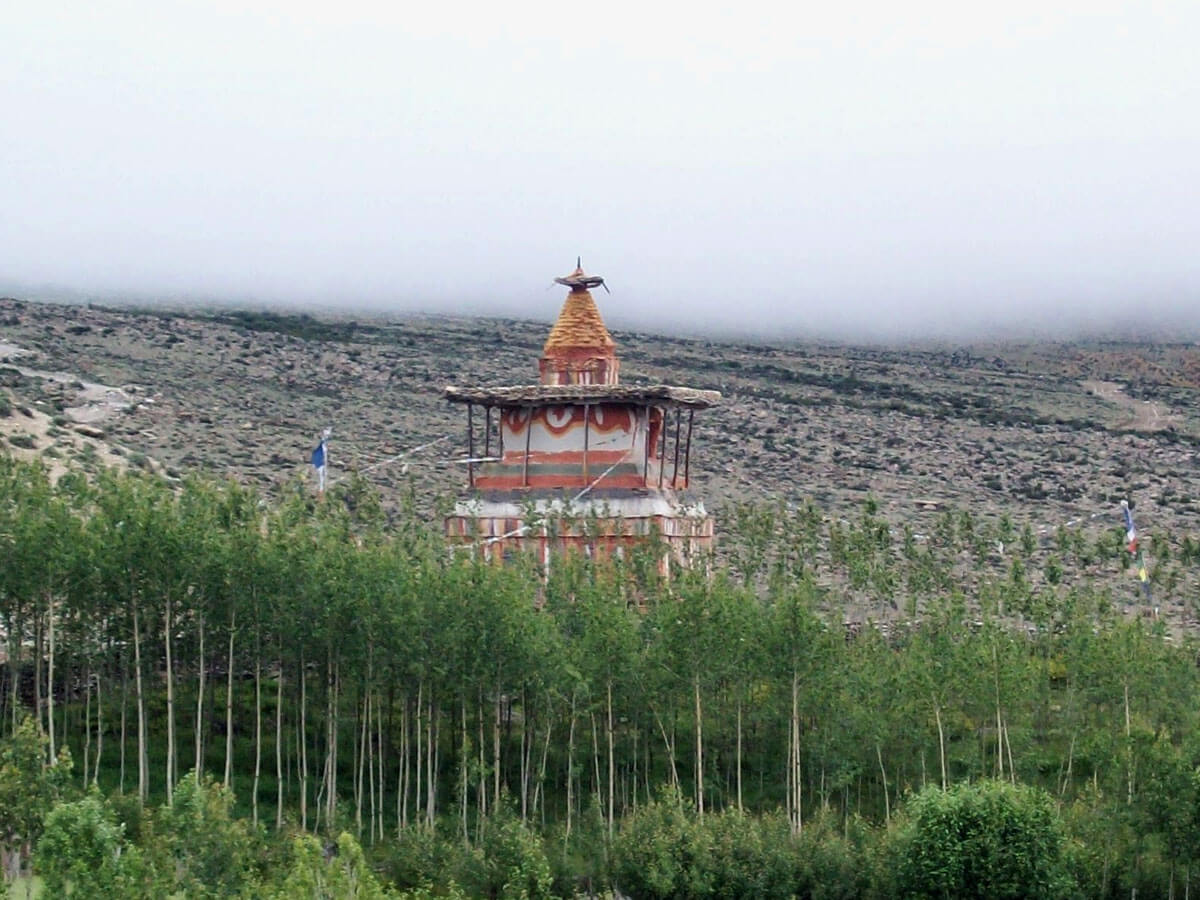
Phu Village in Manang
Limi Valley Camping Trek
The Limi Valley sits in Nepal's remote Humla district, bordering Tibet, and offers one of the most isolated trekking experiences in the entire country. The valley contains three ancient Tibetan-style villages, Halji, Til, and Jang, set in a high-altitude landscape of monasteries, glaciers, and barren ridgelines that receive very little monsoon rainfall. This trek was introduced for foreigners in 2001 AD, as this area borders Tibet from the far west. It offer challanging trails and high passes following the ancient trade and pilgrimage route. In order to save the fragile ecosystem of Limi Valley, only a limited number of permits are issued every year.
The 17–20 day Limi Valley camping trek begins with a flight to Simikot and crosses the high Nyalu La Pass (4,990m) into the valley. There are no teahouses; all accommodation is camping, requiring a full crew. This is a serious expedition for experienced trekkers who want genuine wilderness with no other tourists in sight. You will need a Restricted Area Permit to trek in this region. At least two trekkers are needed to trek in this region. Don't worry, we will arrange the permit for you.
Upper Dolpo Trek
Upper Dolpo is Nepal's most remote trekking destination and one of its most visually stunning. Located in the far northwest, it lies behind the Dhaulagiri range in a semi-arid terrain that closely resembles the Tibetan Plateau, dry mountains, sparse vegetation, and crystalline high-altitude lakes under open skies. Monsoon barely touches this region. A major highlight of the trek is Poksundo Lake.
The 22–27 day trek passes Phoksundo Lake (Nepal's deepest lake at 145m), the ancient Shey Gompa monastery, and several traditional Bon-Buddhist villages. The route is demanding, most nights are spent camping above 4,000m, and requires strong fitness and prior high-altitude experience. Permit of this area is only given to two trekkers. Don't worry if you are travelling solo, we will adjust with other trekkers who wish to do this trek. For this trek, you need two permit; Upper Dolpo Restricted Area Permit and the Shey Phoksumdo National Park Permit. If you extend your trip while in the western part of the country, we can recommend the Bardia National Park safari. This can be your next big adventure after the Upper Dolpo trek.
Upper Mustang Jeep Tour
The Upper Mustang Jeep Tour covers the same rain-shadow kingdom as the trek, but by 4WD vehicle, making it accessible for travelers with limited time, older visitors, or those who prefer not to walk long distances daily. Nepal Adventure Team operates this as a custom package starting and ending in Pokhara or Kathmandu. We can combine your Upper Mustang Jeep tour package with the Muktinath tour by adding a one-day stay at Muktinath.
The tour covers Jomsom, Kagbeni, Chele, Ghami, Tsarang, and Lo Manthang, all key cultural sites, in 8–10 days. Marpha Village is one of the famous points during the trek. This area is famous for local apple production and an apple wine that is very famous worldwide. Many famous movies of Nepal, like Kabaddi, Jerry, and loot shooting was done here due to the unique culture and landscape of the village. The landscape, monasteries, and Tibetan culture are identical to the trekking route. The rain-shadow benefits (dry weather, clear skies) apply equally.
Annapurna Circuit Trek
The Annapurna Circuit is one of Nepal's most diverse treks, transitioning from lush subtropical forests in the south to the dry, high-altitude terrain of Manang and Mustang in the north. This contrast becomes even more striking in summer: the lower sections are intensely green and alive with waterfalls, while the upper sections above 3,500m remain largely dry and deliver clear mountain views. Unlike the high season, the off-season Annapurna circuit Trek is very peaceful and uncrowded, you have the freedom to select any teahouse along the trail without worrying about fully booked lodges. You can have your own private room and rest well after a long day on the trail.
The circuit crosses Thorong La Pass (5,416m) — one of the highest trekking passes in the world — and descends to Muktinath, a sacred pilgrimage site. The upper section of the trail (from Manang onward) lies in the rain shadow and is safe for trekking throughout the monsoon. Leech socks are recommended below 2,500m.
Muktinath Tour
The Muktinath temple sits at 3,800m in the trans-Himalayan region at the foot of the Thorong La. Sacred to both Hindus and Buddhists, it draws thousands of pilgrims year-round. The site features 108 waterspouts, an eternal flame fed by natural gas, and sweeping views of Dhaulagiri and Nilgiri.
Nepal Adventure Team operates Muktinath Temple Tour as a 4WD Jeep tour from Pokhara, a popular summer option because the Muktinath area lies in the rain shadow and stays dry throughout the monsoon. The tour can be combined with a short stay in Jomsom or Kagbeni for added exploration.
Poon Hill Trek
The Poon Hill trek is one of Nepal's most popular short routes and remains entirely doable in summer for trekkers who embrace the rain. The 3,210m summit viewpoint overlooks Annapurna South, Machhapuchhre (Fishtail), and Dhaulagiri — and while clouds frequently cover the peaks during monsoon afternoons, the famous sunrise view regularly breaks through on clear mornings.
The trail passes through dense rhododendron forests and traditional Gurung villages. In summer, these forests are lush, and the waterfalls en route are at maximum volume. Expect leeches on the lower sections; bring leech socks. This is a 4–5 day trek accessible from Pokhara. You will need an Annapurna Conservation Area permit, which costs around USD 30. This permit is applied for the whole trek.
Lower Dolpo Trekking
Lower Dolpo offers a shorter, somewhat less demanding entry into the Dolpo region than its upper counterpart — though it remains a serious trek requiring good fitness. The route passes through the remote Phoksundo National Park and features the spectacular Phoksundo Lake, ancient Bon-Buddhist monasteries, and a landscape that transitions from lush forest to semi-arid high plateau. You will need a restricted area permit to do this trek, which costs around USD 500 and is valid for 10 days
The region lies in a partial rain shadow and experiences significantly less monsoon rainfall than Nepal's hilly areas, making it accessible from June through September. The 15–18 day trek begins with a flight from Kathmandu to Juphal via Nepalgunj.
Hidden Jems of Lomanthang
Here is a comparison table for these trek packages:
Trek
Duration
Difficulty
Max altitude
Permit Cost
Upper Mustang Trek
17 Days
Moderate
3840m
USD50 - RAP
Nar Phu Valley Trek
18 Days
Hard
5320m
USD100/week - RAP
Kailash Mansarovar Tour
14-16 Days
Moderate
5630m
Tibet Permt Required
Limi Valley Trek
17-20 Days
Hard
4990m
USD50/7 Days RAP
Upper Dolpo Trek
22-27 Days
Very Hard
5100m+
USD500/10 Days
Upper Mustang Jeep Tour
8-10 Days
Easy
3840m
USD50 per day
Annapurna Circuit Trk
14-18 Days
Moderate
5416m
USD 30 ACAP
Muktinath Tour
3-4 Days
Easy
3800m
USD 30 ACAP
Poonhill Trek
4-5 Days
Easy
3210m
USD 30 ACAP
Lower Dolpo Trek
15-18 Days
Hard
4500m+
USD500/10 Days RAP
Why are these treks best for summer?
Trekking in Nepal in summer is one of the least crowded and most underrated windows to explore the Himalayas, with dry trails in the north, lower costs, and teahouses that actually have room for trekkers in Nepal. While many adventurers shy away from the rain, experienced trekkers know that this season offers a different experience on the trails. Here is why summer is the perfect time to put on your boots and hit the trail.
During the monsoon season, trekking in Nepal is very peaceful and uncrowded, giving you the rare luxury of having the entire trail to yourself and your companion. Unlike peak seasons, where trekkers are crowded in the paths and teahouses are packed.
During the monsoon, you have the freedom to select any teahouse along the trail without worrying about fully booked lodges. You can have your own private room and rest well after a long day on the trail.
The teahouse hosts and local communities you visit along the route have the time and space to engage with you meaningfully. These stopovers become more than just a place to refuel and recover; they turn into cultural connections where you gain genuine insight into the mountain way of life.
Trekking in summer gives the trekker a range of off-season advantages. From discounted lodge rates along the trail to reduced prices on add-ons, you get more value for every step you take on the trail.
Monsoon rains bring new life into the trekking landscape, transforming dry dusty trails into a lush green environment bursting with wildflowers and powerful waterfalls.
For trekkers with a scientific or botanical interest, summer routes in Nepal serve as a living field study. The monsoon season encourages an extraordinary diversity of floral and plant growth at various altitudes, making every stretch of the trail a valuable opportunity for observation and research.
One of the most thrilling aspects of summer trekking is the ever-changing mountain weather. You could start a morning trek under a heavy cloud cover with poor visibility, only to have the skies dramatically clear by midday, revealing a breathtaking panoramic view of the snow-covered Himalayan peaks.
Many of Nepal's trekking trails pass through thick forests of rhododendrons, and during summer these forests bloom into a spectacular display of deep red and crimson blooms.
What to expect while trekking in Nepal during the summer?
Trekking in Nepal during the summer tells a completely different story on the trail compared to the peak seasons like spring and autumn. Knowing what lies ahead on the route helps every trekker prepare smarter, trek safer, and make the most of every step of the journey.
Raindrops and Wet Land
Trekking in Nepal during the summer season is the monsoon season of Nepal. During this time, you can expect rainfall and muddy trails. Although most of Nepal experiences rainfall during the monsoon, places like Upper Mustang face very little rainfall as it is located in trans-himalayan zone.
Low Visibility on the route
During the summer season, Summit views and Himalayan panoramas are not always guaranteed, as clouds and mist frequently cover the mountains along the trail. However, this unpredictability is also what makes summer trekking so thrilling. When the clouds suddenly part mid-trek, the dramatic reveal of snow-covered peaks rising above the trail is nothing short of breathtaking, a reward that feels far more earned than a clear-day view ever could.
Weather Delays
Trekkers heading to high-altitude routes like the Everest Base Camp trek should be prepared for potential flight delays to Lukla, while those embarking on road-accessible treks may encounter weather-related roadblocks at the start of the trail. For this reason, building a flexible trekking itinerary with buffer days is not just recommended, it is an essential part of responsible summer trek planning.
Evergreen environment
Trekking through Nepal in the monsoon season means walking through dense, green forests that are bursting with life. Rivers surge powerfully through gorges beside the trail, and waterfalls that barely trickle in dry seasons now thunder down cliff faces in full force, creating one of the most eye-catching trekking environments Nepal has to offer.
Wildlife Diversity and Bird Watching Activity
The monsoon season heightens the bird activity and wildlife movement across trekking zones, turning every quiet stretch of the route into a potential sighting opportunity. Trekkers with a keen eye and a slow pace will find the trail richly rewarding in ways that go well beyond the mountain views.
Leeches on Lower Trail routes:
Trekkers venturing through forested lower-altitude sections of popular routes like the Annapurna Circuit or the Langtang Valley trek should be prepared to encounter leeches along the trail. Wearing leech socks and applying repellent at trailside stops can go a long way in keeping the experience comfortable.
Overall, trekking in Nepal during summer is about strapping on your boots, embracing the raw and unpredictable rhythm of the monsoon trail, and discovering a side of the Himalayas that most trekkers never get to witness. It is not the easiest walk in the mountains, but it is undoubtedly one of the most unforgettable.
Useful information for safe Monsoon trekking
The summer( monsoon season) trekking in Nepal is very meaningful as it is about embracing nature in its raw, unpredictable, and beautiful form. During the summer, or the monsoon season, trekking in Nepal is a hidden gem for trekkers in Nepal. While many adventurers shy away from the rain, experienced trekkers know that this season offers a different experience on the trails. To enjoy the monsoon season trekking, we need to be physically and mentally prepared. With careful planning and trail selection, a summer trek in Nepal can be a unique and rewarding experience. Summer trekking in Nepal offers one of the best ways to see the Himalayas. Here is some useful information that will surely help you during your journey.
Greenery during the Monsoon Trek in Nepal
Essential packing list for summer trekking in Nepal
Gearing up for the journey for your summer trek in Nepal could only be embarked on after careful preparation, especially in what to pack. This means that there are a variety of options regarding the terrain, climate, and geography, meaning that the right equipment is necessary for safety and efficiency.
Clothing
Base Layers
Insulating Layers
Waterproof jacket
Outer Layers
Trekking Pants and Shirts
Warm Hat and Gloves
Trekking Socks
Raincoat
Footwear
Trekking Boots
Camp Shoes
Slippers
Leech socks (gaiters) — mandatory for routes below 3,000m
Accessories
Sunglasses
Hat and Sunscreen
Buff or Scarf
Personal First Aid Kit
Multi-tool or Knife
Dry Bags
Personal Items
Toiletries
Towel
Snacks and Energy Bars
Travel Documents
Camera or Smartphone
Leech repellent spray (DEET-based works well)
Trekking Poles
Headlamp
Water Bottles or Hydration System
Permits and costs for a summer trek in Nepal for 2026/2027.
Before starting any best summer trek in Nepal, trekkers must obtain the necessary permit. The permits are meant to regulate trekking activity, promote safety, and ensure the protection of conservation areas in Nepal`s protected areas. To obtain the permit, you have to pay a certain amount of money allocated by the Nepal government. Here are some of the permits used in Nepal:
Restricted Area Permit
The Restricted Area Permit is provided by the Department of Immigration of Nepal. For this permit, you are required to have a valid passport/visa, the itinerary of your holiday, including the trekking company details, and two passport-size photographs. To access the restricted area, a person must also indicate the dates to enter and exit the area. Here are the names and costs for the Restricted area permit needed during the trek:
Upper Mustang RAP - Upper Mustang Trek & jeep tour - USD 50/day (2026 new rate)
Nar Phu RAP - Nar Phu Valley Trek - USD 100/week
Upper Dolpo RAP - Upper & Lower Dolpo - USD 500 for the first 10 days, USD 50/day after
Limi Valley RAP - Limi Valley Camping Trek - USD 50 for 7 days, 10$ for 1 day
Conservation Area Permit (CAP)
The Nepal Tourism Board accredits the Conservation Area Permit. For this permit, you must provide a passport, visa, or another immigration document with a recent photograph of yourself. This permit helps protect wildlife in the Conservation area. Here are some of the Conservation area names and costs needed for the Conservation Area Permit needed during the trek:
Annapurna Conservation Area permit - Annapurna Circuit, Poon Hill, Muktinath, Upper Mustang - USD 30
Karnali Conservation Area permit - Limi Valley Trek - USD 10
Trekkers' Information Management System (TIMS) Card
Another important card to obtain for trekking in Nepal is the TIMS card (Trekking Information Management System). The card can be obtained from the Nepal Tourism Board and Trekking Agencies Association of Nepal (TAAN), which requires a valid passport/visa for the Himalayan country and one passport-size photograph. Safety and security will also assist in tracking trekkers on the move. It costs around $20 USD. This card should be compulsorily carried by the trekkers when trekking in Nepal.
Trekking Arrangements
To trek during the summer season, you need to be with an organized group and have a confirmed booking with a local trekking agency, since independent trekking is risky during the monsoon season. For our Monsoon trekking package, we have to make trekking arrangements for the Tibet Travel Permit, which can only be done with your collaboration and the collaboration of the trekking agency.
Additional Documents
There should be travel insurance for such eminent treks with added features like high-altitude trekking or emergency evacuation. Always ensure that you have several people to call in case of an emergency, and the telephone numbers of the agency.
Safety Tips for a Summer Trek in Nepal
Safety is a concern during trekking in the monsoon season. Even though the best Summer treks in Nepal are carefully chosen by the trekker, you may find difficulties during the trek. For example, due to the climate, muddy trails, etc. These things are very concerning during long treks in the region. Here are some safety tips for a summer trek in Nepal:
The first thing to do is to avoid areas that are prone to landslides. Heavy rain can cause landslides in some regions, so it is best to stick to established trekking routes and avoid taking shortcuts or trails that look unstable.
Hiring a guide who is licensed and has experience is also best, especially during the summer. Local guides know the weather patterns, safe routes, and what to do in an emergency, which makes the trekking experience safer and more fun.
Checking the weather forecast every day is also important. The monsoon weather in Nepal can change quickly; staying updated helps trekkers plan their daily walks better and avoid unnecessary risks.
You should also have travel insurance. It should cover trekking at altitudes, emergency evacuation, and medical support. This is especially important in the case of flight delays or sudden weather-related issues.
Trekkers should also be flexible with their plans. Adding days to your schedule helps manage delays caused by rain or transportation issues without disrupting the entire trip.
Also, drinking plenty of water, pacing yourself, and avoiding trail sections during heavy rain all contribute to a safe trekking experience.
By following these precautions, trekking in Nepal during summer becomes not only safe but genuinely worth it, with quieter trails, lower costs, and a rawer, greener version of the Himalayas than most trekkers ever see, and Summer Treks in Nepal are fun. Summer Treks in Nepal are safe when you follow these guidelines and take precautions.
Experience the Himalaya of Nepal differently and refreshingly during the monsoon. Summer trekking comes with challenges such as rainfall, soggy trails, and unpredictable weather. It also delivers waterfalls running at full force, trails lined with blooming rhododendrons, and Himalayan panoramas that appear suddenly when monsoon clouds split — views that feel earned rather than expected.
Our treks, like the Annapurna circuit trek, Upper Dolpo trek, Lower Dolpo trek, Nar-phu valley trek, Kailash Manosarovar tour, Limi valley camping trek, Upper Mustang jeep tour, Muktinath tour, Upper Mustang trek, and Poon hill trek, are some of the activities that offer a wonderful experience during the monsoon season. All these routes have their own character, whether it is green lush forests, waterfalls, trans-himalayan, dramatic mountain views, or cultural experiences.
With proper planning, correct gear, and safety precautions, summer trekking in Nepal becomes a trek where you walk ridgelines alone, sleep in teahouses that feel like home, and watch monsoon clouds break open over 8,000m peaks at dawn. Whether you are a beginner or an experienced trekker, Nepal's summer routes deliver something specific: empty trails, affordable lodges, dramatic skies, and a version of the mountains that peak-season trekkers never experience
Embark on a hiking journey in Nepal. We also offer various packages, like Everest Base Camp trekking, Annapurna Base Camp trekking, Langtang Valley trek, Manaslu region trekking, Kanchanjunga Region trekking, and Humla region trekking, which are among the most sought-after packages. You are welcome to join us for this hike. Reach out to us via mail, phone, social media, or check our official page for reservations and bookings.
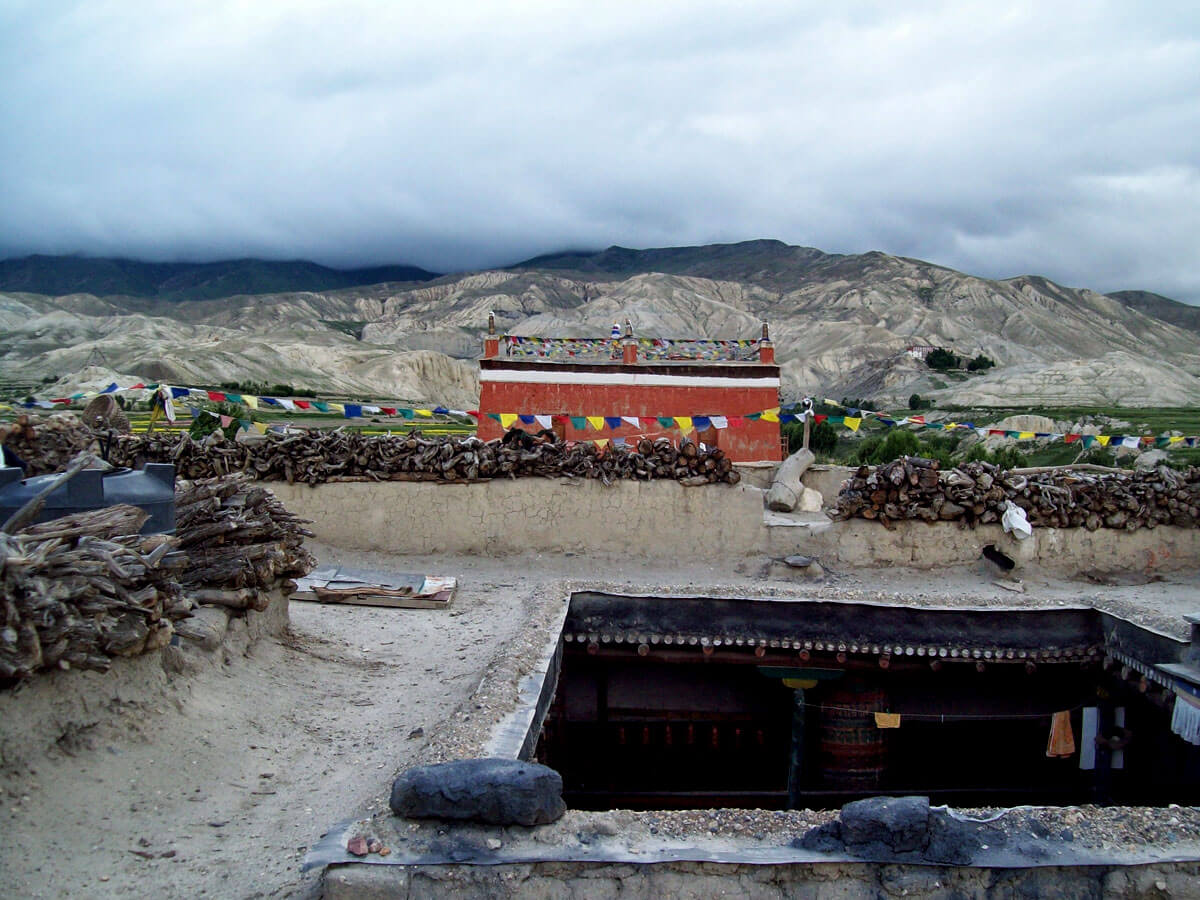
Monastery at the Himalayas
FAQs for the Best Summer Trek in Nepal
Is it safe to trek in Nepal during the summer (monsoon)?
Yes, trekking in Nepal during the summer is safe if you choose the right routes. Rain-shadow regions like Upper Mustang, Nar Phu Valley, and Upper Dolpo receive very little rainfall even during the peak monsoon and are considered safe and enjoyable for summer trekking.
Which is the best trek in Nepal during the summer?
The Upper Mustang Trek is widely considered the best summer trek in Nepal. Located in a rain-shadow zone behind the Annapurna and Dhaulagiri ranges, it stays dry and clear throughout the monsoon season (June–September), offering dramatic landscapes and rich Tibetan Buddhist culture.
What months are considered the summer/monsoon season in Nepal?
Summer and monsoon in Nepal overlap from June to mid-September. June, July, and August see the heaviest rainfall in lower and hilly regions, while high-altitude rain-shadow areas remain relatively dry and trekking-friendly throughout this period.
Do I need a special permit for summer trekking in Nepal?
Yes, depending on your route. Upper Mustang and Nar Phu Valley require a Restricted Area Permit (RAP). Most trekking routes also require a TIMS (Trekkers' Information Management System) card and a Conservation Area Permit (CAP). These are arranged through a registered trekking agency.
Can I trek independently during the monsoon in Nepal?
Independent trekking is not recommended during the monsoon season due to safety risks like landslides, flash floods, and rapidly changing weather. Trekking with a licensed local guide and a registered agency is strongly advised.
What should I pack for a summer trek in Nepal?
Key items include waterproof trekking boots, a rain jacket, moisture-wicking base layers, trekking poles, a sleeping bag, leech socks (for lower altitudes), a headlamp, dry bags, sunscreen, and a personal first aid kit. Layering is important as temperatures vary significantly by altitude.
Are leeches a problem on summer treks in Nepal?
Leeches are common on lower-altitude forest trails (below 3,000m) during the monsoon, especially on routes like the Annapurna Circuit and Langtang Valley. Leech socks and repellent sprays help manage them. Trails above 3,000m and rain-shadow destinations like Upper Mustang are largely leech-free.
How much does summer trekking in Nepal cost?
Summer is the off-season for trekking in Nepal, which means lower prices overall. Many teahouses and lodges offer discounted rates, and some trekking packages are 10–20% cheaper than peak season prices. Permit costs remain the same year-round.
Are mountain views visible during summer trekking in Nepal?
In rain-shadow regions like Upper Mustang and Dolpo, mountain views are generally clear. On other routes, clouds and mist can obscure views — but dramatic cloud breaks often reveal stunning panoramas as a reward for patient trekkers.
What is the difference between the Upper Mustang Trek and the Upper Mustang Jeep Tour?
The Upper Mustang Trek involves walking the trail over 17 days, offering a deeper and more immersive experience. The Jeep Tour covers the same destination by 4WD vehicle in a shorter time, making it ideal for travelers with limited time or those who prefer not to trek on foot.
Which are the safest routes for Nepal trekking during the monsoon season?
The safest routes for Nepal trekking during the monsoon are in high-altitude rain-shadow zones. Upper Mustang, Nar Phu Valley, Upper Dolpo, and Limi Valley receive significantly less rainfall than southern Nepal, even during the peak monsoon. These routes have stable, dry trails and clear skies throughout the summer. Routes below 3,000m — such as lower sections of the Annapurna Circuit — carry a higher risk from leeches, slippery trails, and occasional landslides, and require more caution.
Which are the most popular trekking packages in Nepal?
The most popular trekking packages in Nepal that we offer are: